
Carrying the Spirit of Gallipoli
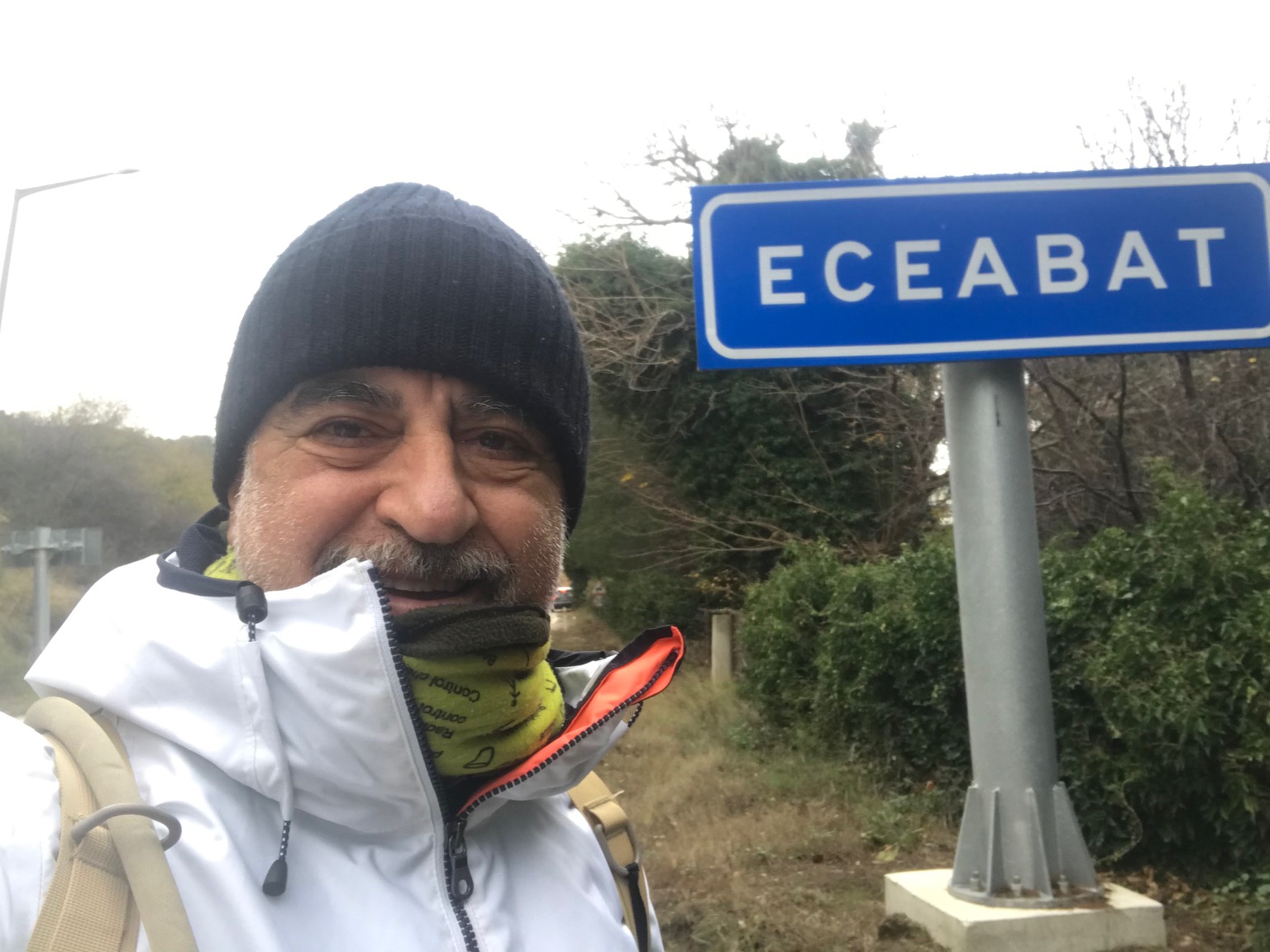
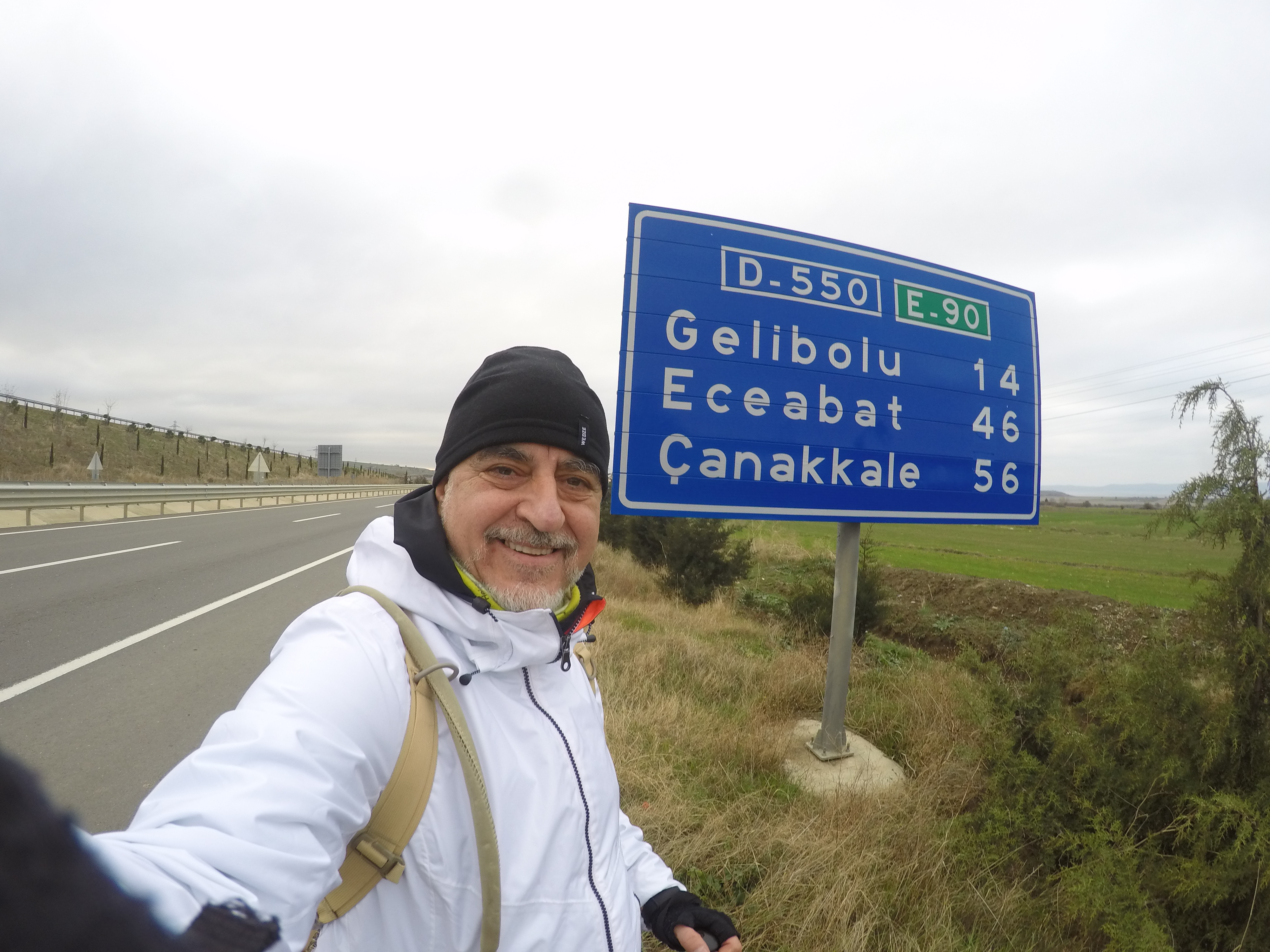
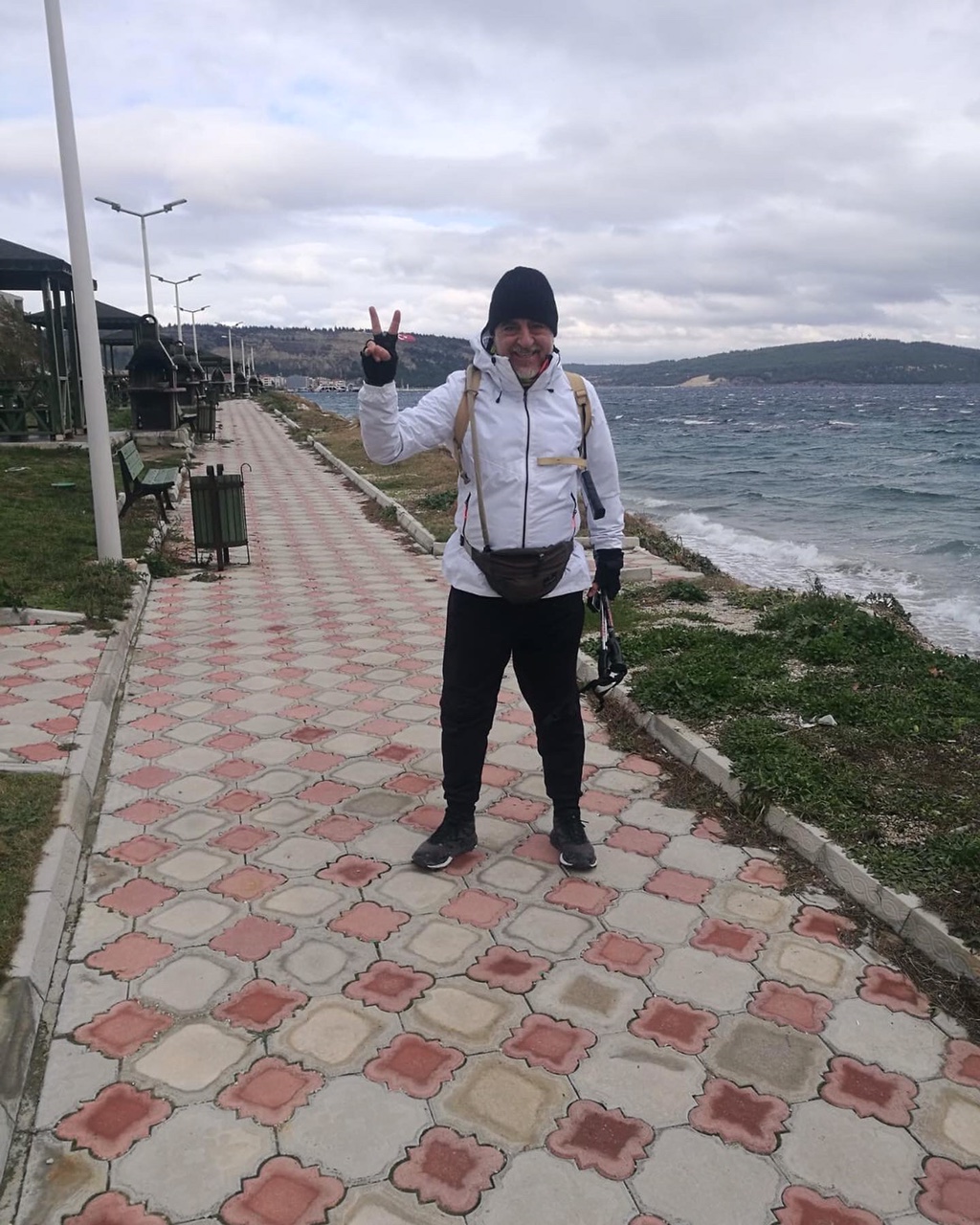
Walking Distance: 16 Km.
Date of Walking: 19 December 2022
Walking Route: Behramlı-Kilitbahir-Eceabat
A Morning Wrapped in Silence
Today marks the final day of my journey through these lands — lands I had walked before, years ago, whether during professional training or on visits with my family. I woke to the calm of a deep, uninterrupted sleep, the kind of rest I hadn’t felt for days. What allowed such stillness to settle over me, I believe, was the profound silence that surrounded everything.
The village of Alçıtepe stands in stark contrast to the noise and rush of sprawling metropolises like Istanbul. Here, nature holds its rhythm, and the village seems intent on preserving that quiet harmony. Apart from a few crows bickering in the early morning light and the distant bark of a shepherd’s dog, not a sound stirred. That silence carried a kind of peace that reached deep into the soul.
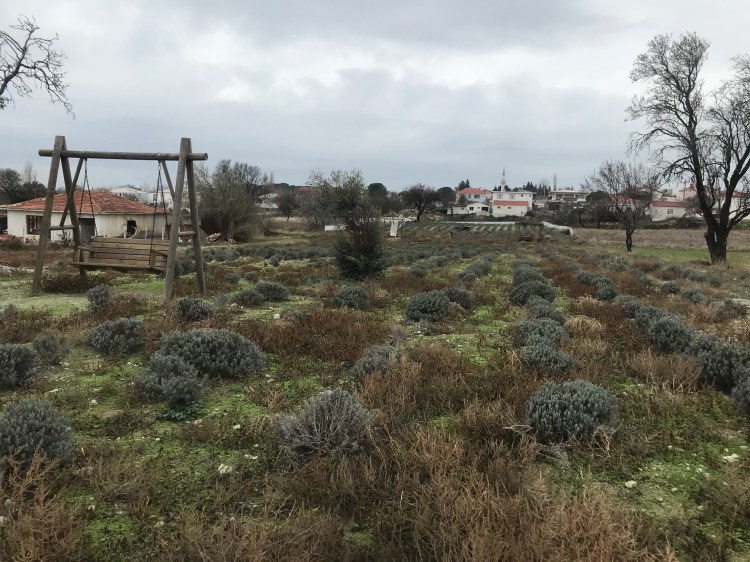
I stepped outside for a short walk around the pension, breathing in the crisp morning air and wanting to see the village once more in the first lights of day. To the north, the hills stretching toward Anafartalar were draped in mist. In the direction I would walk — towards Behramlı Village — a gentle haze lingered. The sun is far from showing its face, still hiding behind grey clouds. The way the clouds moved steadily towards the strait left no doubt: the day would be swept by wind.
The Quiet Strength of a Companion
When I returned to the room, I saw that Tamer was already awake and packing up. I quickly gathered my own stuff and helped tidy up the mess we’d left behind. On long and tiring walks like this, you often end the day completely spent — and inevitably, the gear scattered around at night has to be sorted out in the morning. But that comes with a certain risk: if your items don’t have designated bags or compartments, the chances of leaving something behind is certain.
Over the years, through countless hikes and camping trips, I developed what I call a “bag station system.” I got into the habit of storing similar items together in small separate pouches. This allowed me to group my gear by purpose and check them quickly and efficiently. It also meant that when I needed something, I could find it without wasting time. In no time, I had everything packed and loaded into the car.
Tamer, meanwhile, had already finished packing and was busy preparing breakfast. My dear friend had taken time off from his demanding work schedule to join me on this walk — not just as a gesture of friendship, but as a genuine support, both practical and emotional. Though he’s a businessman by trade, the fact that he had set aside a whole week to walk beside me gave me strength and inspiration. Among all the reflections I’ve had during this journey, one of the most important questions I’ve been pondering is how to find such support for my next major goal — the Great Australia Walk.
Tamer served up a simple but delicious breakfast: pan-fried eggs, olives, local white cheese, and slices of village bread toasted with a generous layer of butter. He crowned it all with strong, hot tea. I took two large slices of toasted bread, drizzled them with packets of honey I always carry in my pack, and with that, I recreated one of the most joyful memories of my childhood breakfasts — and devoured them with appetite. Nothing beats breakfast in a place where the air is clean and silence reigns; it’s the kind of meal that makes you want to keep eating, just to hold onto the moment a little longer.
After such a satisfying start to the day, there was only one thing left to do: keep walking.
Along the Corridor of Pines: Reflections at the Narrowest Point
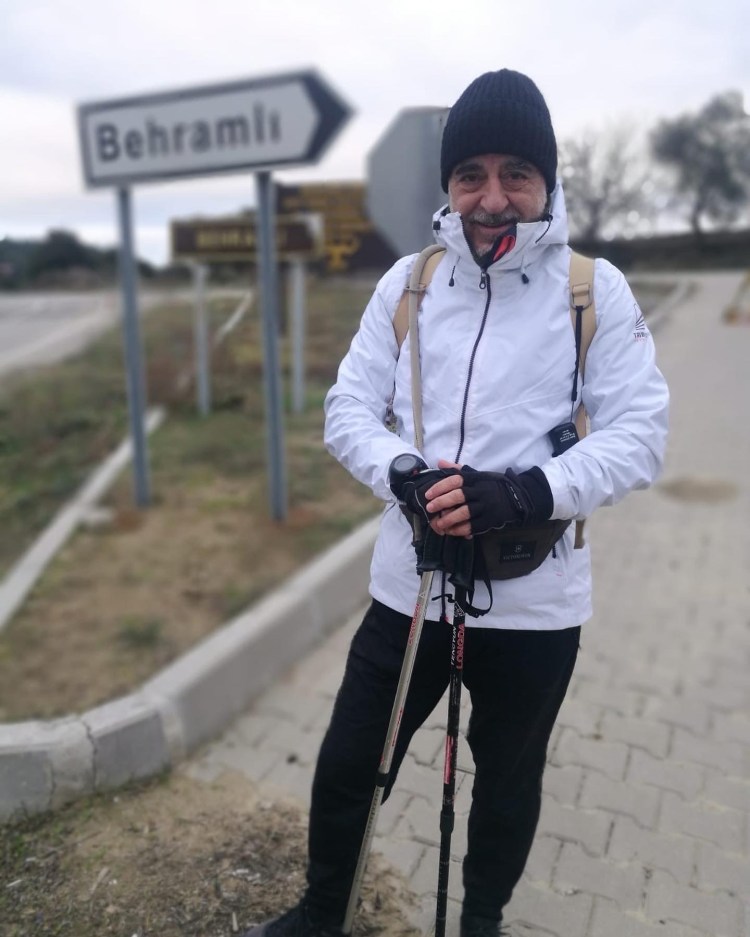
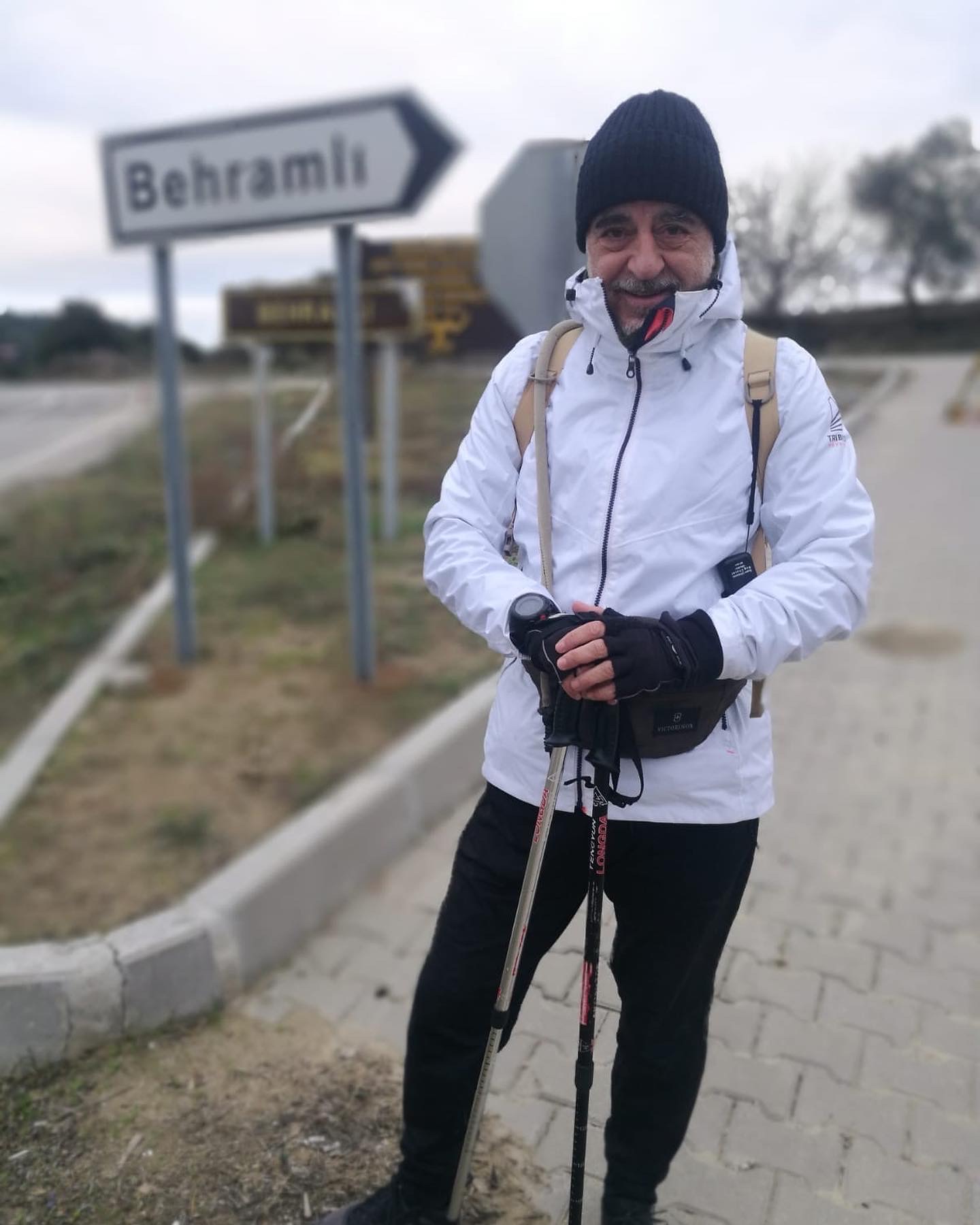
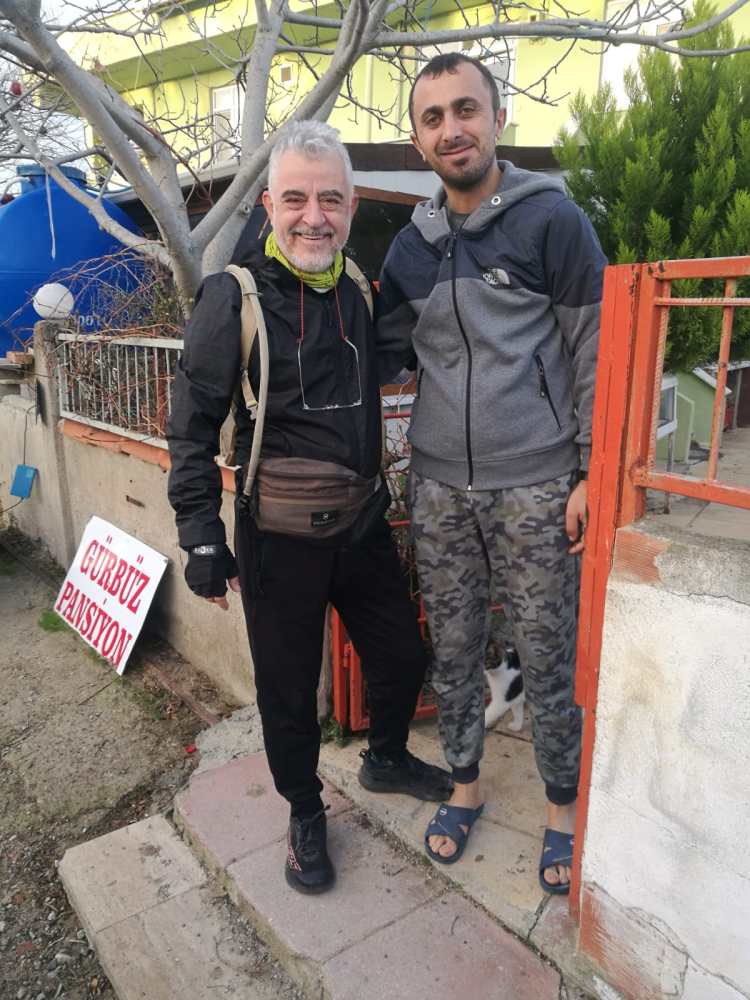
My goal for the day was to complete the 17-kilometre stretch and conclude my walk in the district of Eceabat. After breakfast, we spent about half an hour in final preparations—packing up and checking our gear—before setting off. We said our goodbyes to the young owner of the pension and headed by car towards Behramlı Village, the point where yesterday’s walk had ended.
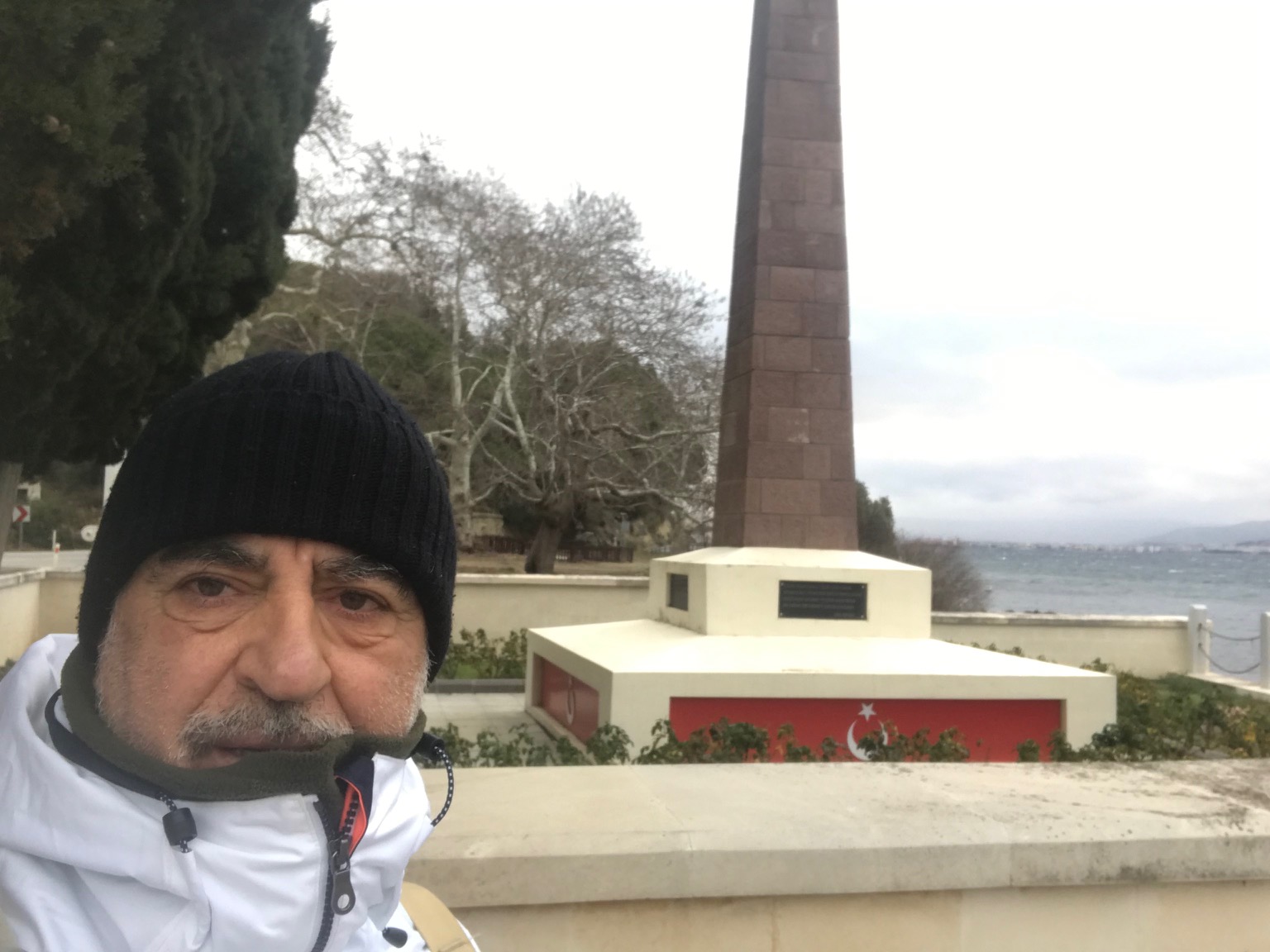
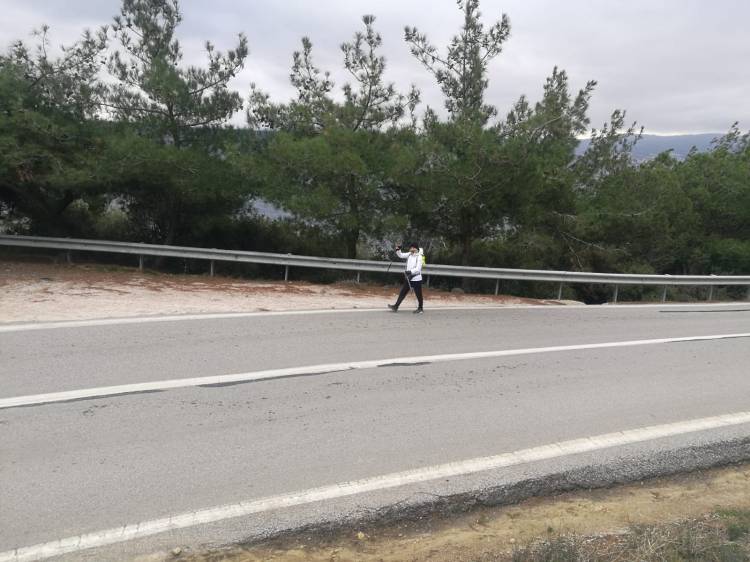
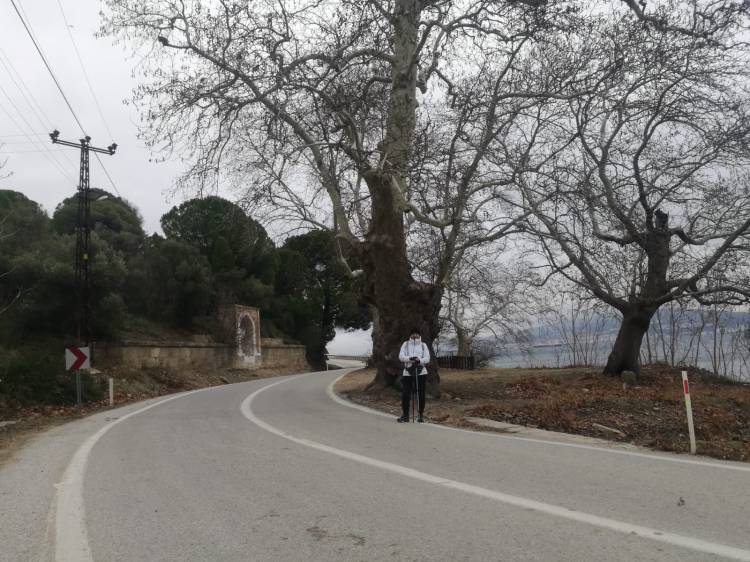
The asphalt road from Behramlı to Eceabat was flanked on both sides by towering pine trees, creating a natural corridor all the way to where the strait meets the land. Along this route, I visited the Soğanlıdere and Havuzlar Martyrdoms — the first memorials on my journey that day. But of course, these were far from the only sites I would pay my respects to.
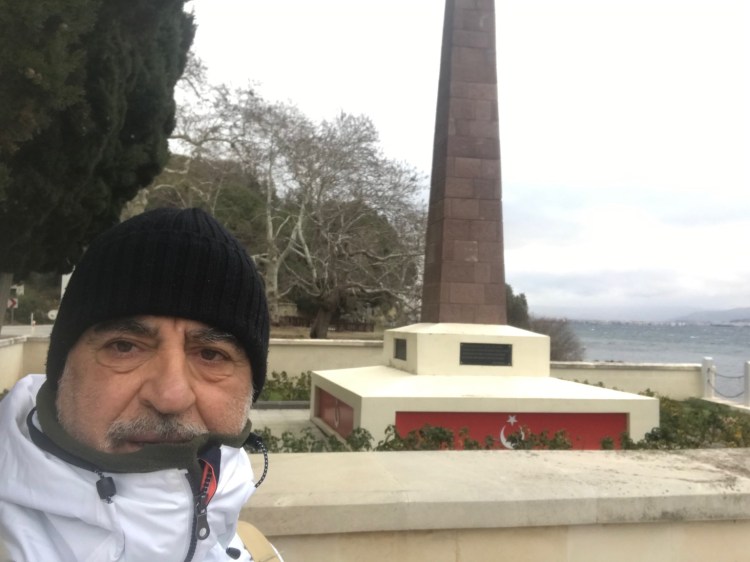
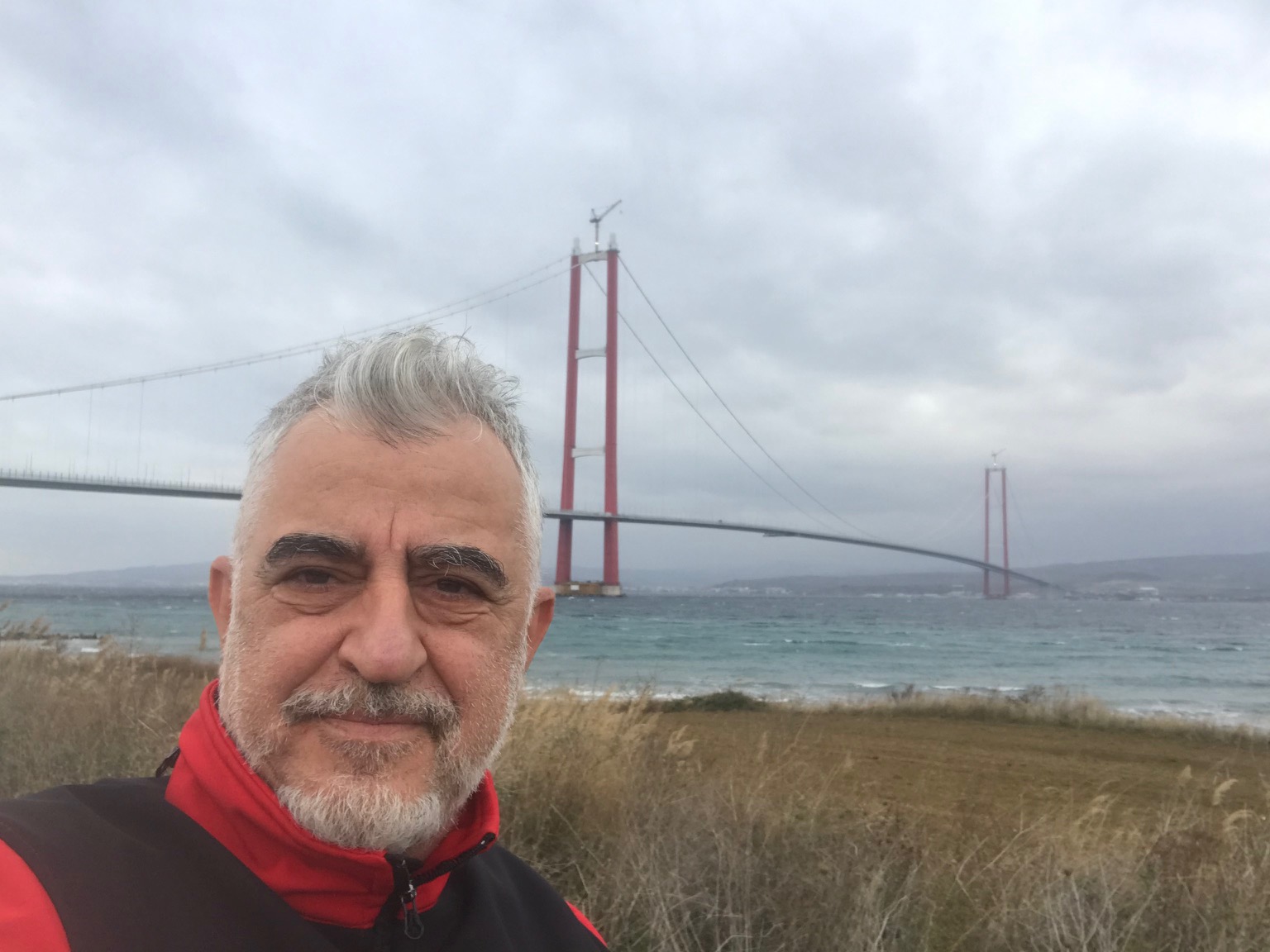
Kilitbahir sits at the narrowest point of the strait, a stark reminder of why the Dardanelles were considered “impassable.” Its strategic location was such that it allowed artillery to cover both the northern and southern shores of the strait with ease. Positioned directly opposite the city of Çanakkale, this spot forced enemy ships approaching from the southwest to manoeuvre northwest, slowing them down and making them vulnerable targets along the shoreline for prolonged periods.
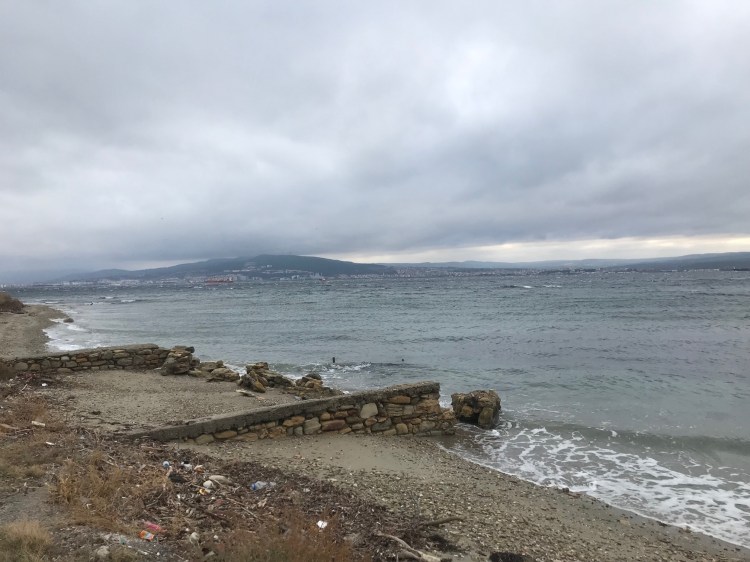
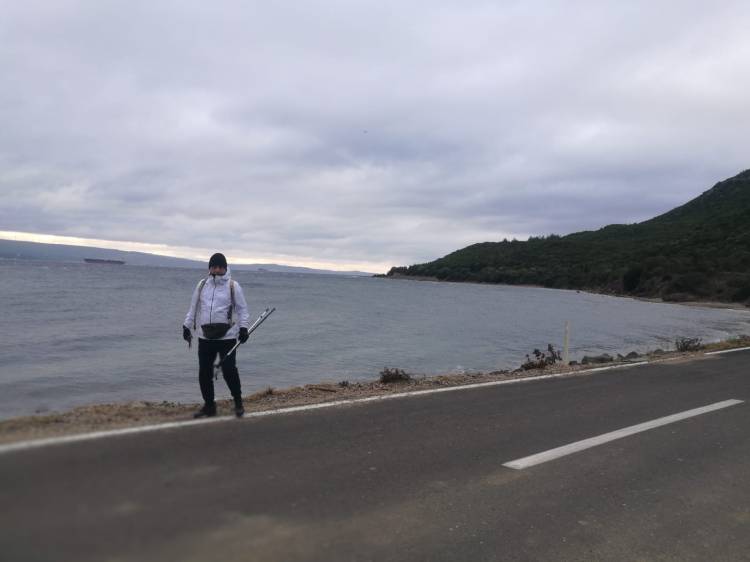
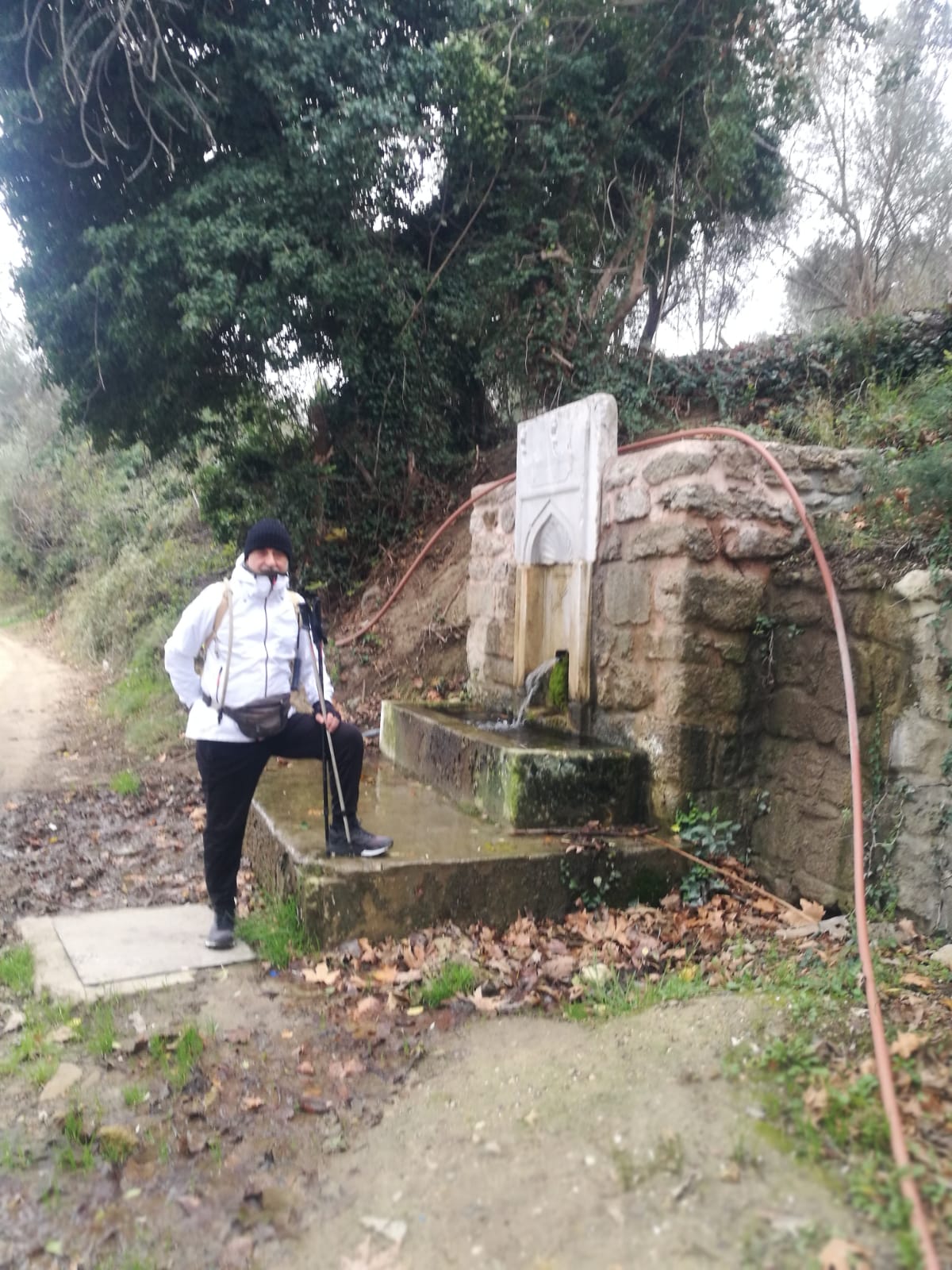
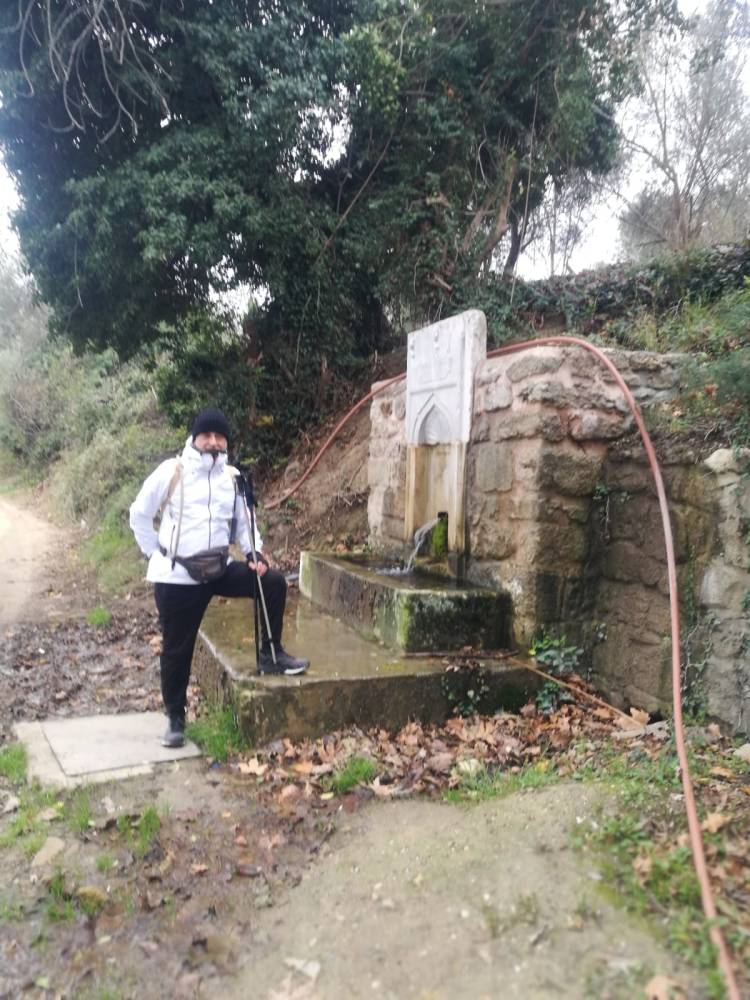
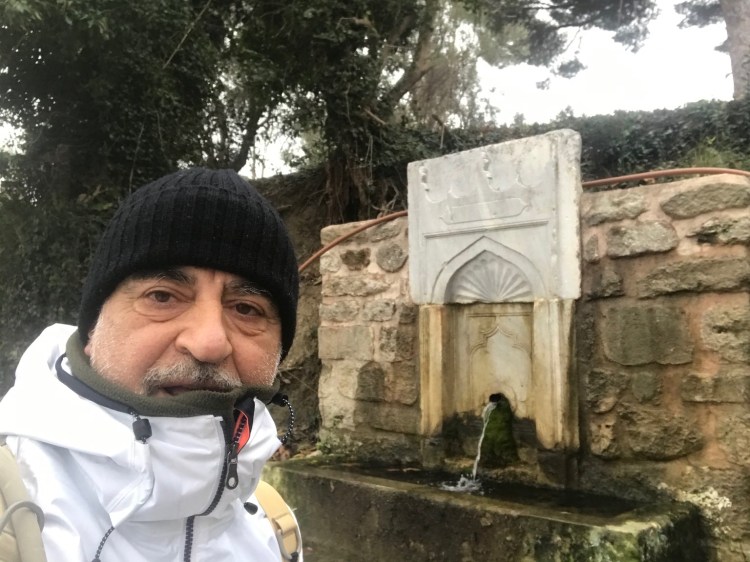
As the harsh winds of the strait struck my face, I tried to imagine what this narrow passage had witnessed throughout the naval battles of Gallipoli. I pictured those harrowing months, but the full weight of the suffering endured — not only by soldiers on the front lines but also by civilians caught in the turmoil — was beyond my imagination. In the midst of these reflections, we took a brief pause at the Havuzlar Martyrdom. Drinking from the historic fountain where soldiers once quenched their thirst, I couldn’t help but think how precious that water must have been to those Mehmetçiks who marched on foot to the front lines. Once again, I was reminded how a simple sip of water and a brief moment of rest can be a priceless blessing.
Echoes of History and Reflection at Kilitbahir
Shortly after leaving Havuzlar Martyrdom, I arrived at Kilitbahir. First, we visited the Mecidiye Martyrdom, followed by the Mecidiye Battery. Then, we paused at the site of the Seyit Onbaşı Monument. With every step, history seemed to whisper softly from beneath the soil, trying to tell us its story through the silence.
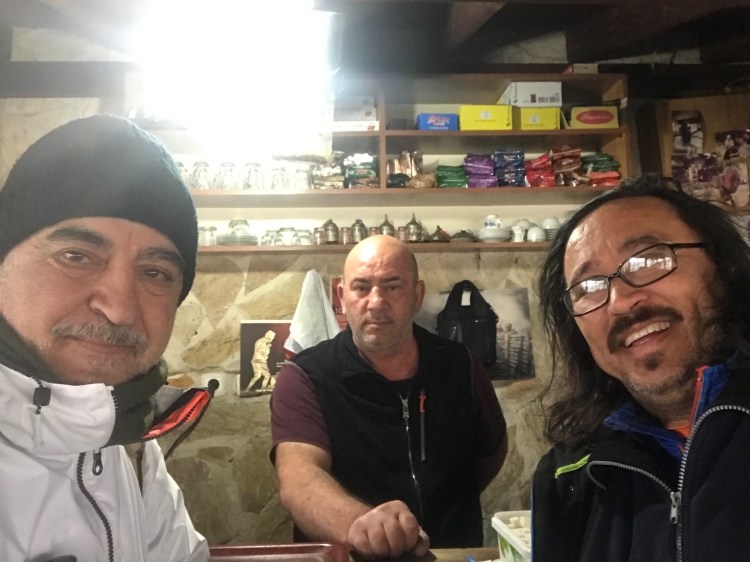
Our path led us past the Rumeli Hamidiye Battery and over the Namazgâh Battery as we made our way into Kilitbahir. By then, it was midday, and hunger was setting in. We settled in at a local tea garden and ordered the region’s famous mixed toast, accompanied by two cups of tea each. Gazing out over the churning waters of the strait, every bite and every sip felt like a reward after six days of continuous walking.
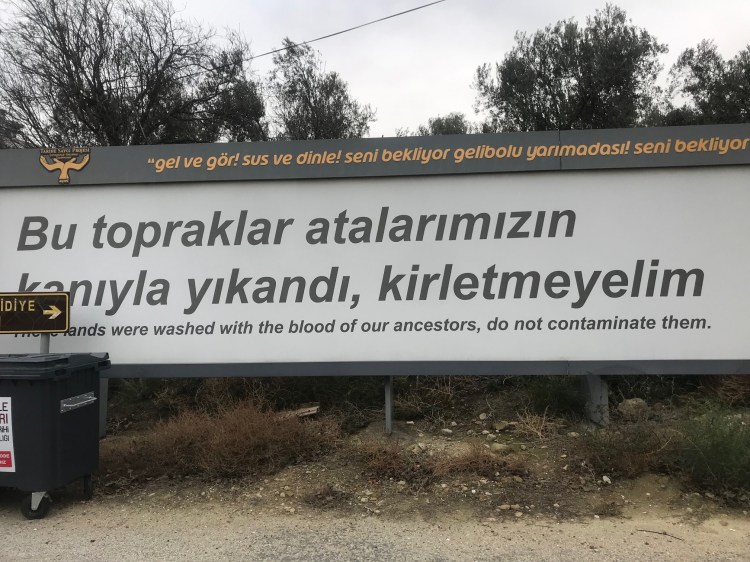
Only a few kilometres remained until Eceabat. In that moment, the experiences of the past six days flashed before my eyes like a film reel. As I continued on, I realised that every experience in life—big or small—contributes meaningfully to our journey, sometimes unnoticed, other times as a heavy lesson. The messages I had gathered during this walk were many, and I knew I needed to reflect them in both my life and my walking projects.
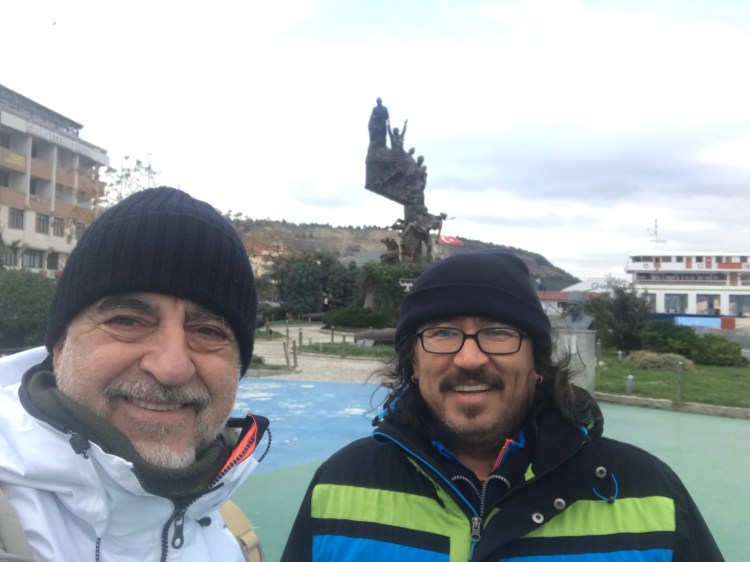
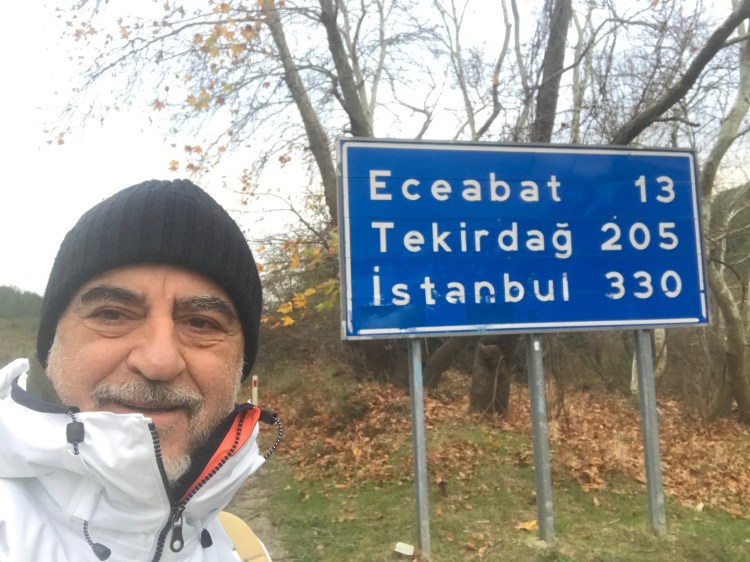
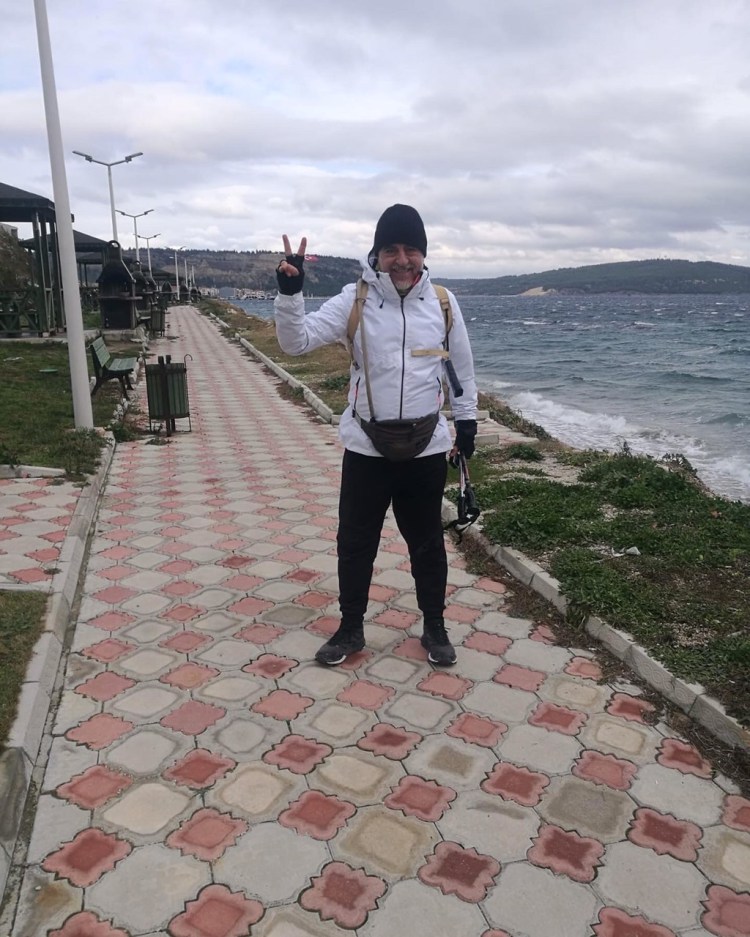
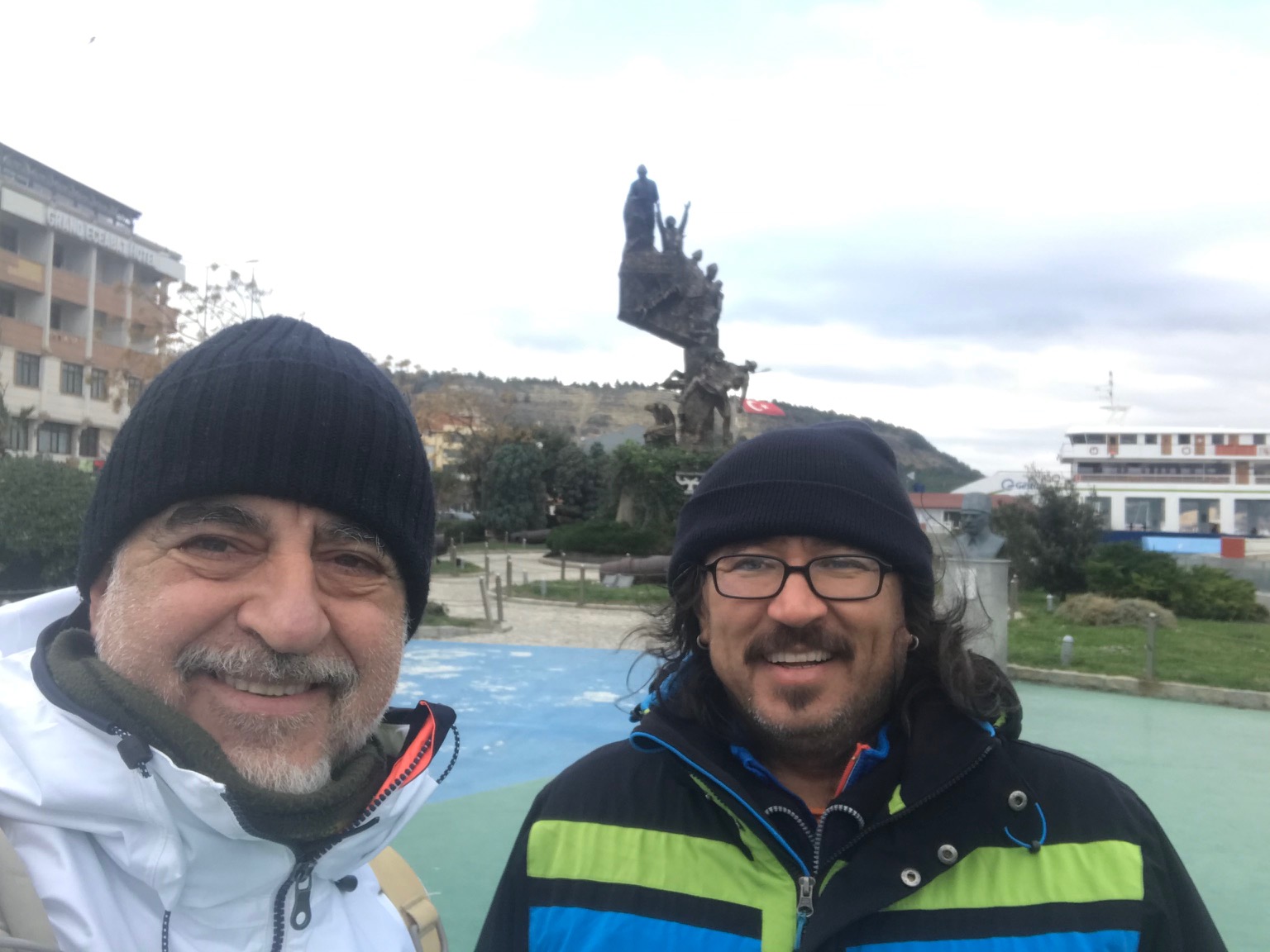
I reached Eceabat around 4:30 pm and had the chance to explore the “Respect for History Park” by the shore. The pain, heroism, sacrifice, despair, helplessness, disappointment, pride, anger, joy, chivalry, cruelty, fear, and courage experienced on these lands were all carefully depicted in the sculptures. Each figure seemed to whisper a message of its own. Had I had more time, I would have gladly spent hours studying each one in detail.
The Spirit of Gallipoli
As I have expressed before, the unique yet flawed nature of humankind should never manifest itself in such brutal forms as war, played out on the three-dimensional stage before us. Though trained as a soldier, I believe human life is meant to be dedicated to far more sacred and creation-aligned pursuits.
Perhaps we all know deep down that our ultimate goal in life should be to serve goodness. Yet, instead of supporting our beliefs through action, more often than not, knowingly or not, we give way to rhetoric fuelled by hatred, revenge, and the thirst for power. This folly forces us into a constant battle against darkness throughout almost every stage of our lives. And while we humans are the cause of all these wars, sadly, it is also we who must endure the resulting suffering.
I began my walk on the 14th of December and completed it on the 19th. Whether this timing was mere coincidence, I cannot say — but exactly 107 years ago, between 15 and 20 December 1915, the Allied forces withdrew from Gallipoli — from my homeland.
Now, having completed this deeply meaningful journey, I wish to once again pay my profound respects to the heroic ancestors who gave their lives defending our country, and to the Australian and New Zealand soldiers who travelled thousands of kilometres and lost their lives on this very soil.
I choose to call all this shared spirit the “Gallipoli Spirit.” Today, I carry this spirit humbly and proudly on my back. I am filled with a profound sense of responsibility as I take it far from my homeland — all the way to Australia.
And I believe that this spirit will be with me every step of the way during my upcoming walk around the Fifth Continent. With this conviction, once again, I salute all the heroic soldiers who fell on these lands with endless gratitude and profound respect.
 Walkerspirit