
Respect To Fallens
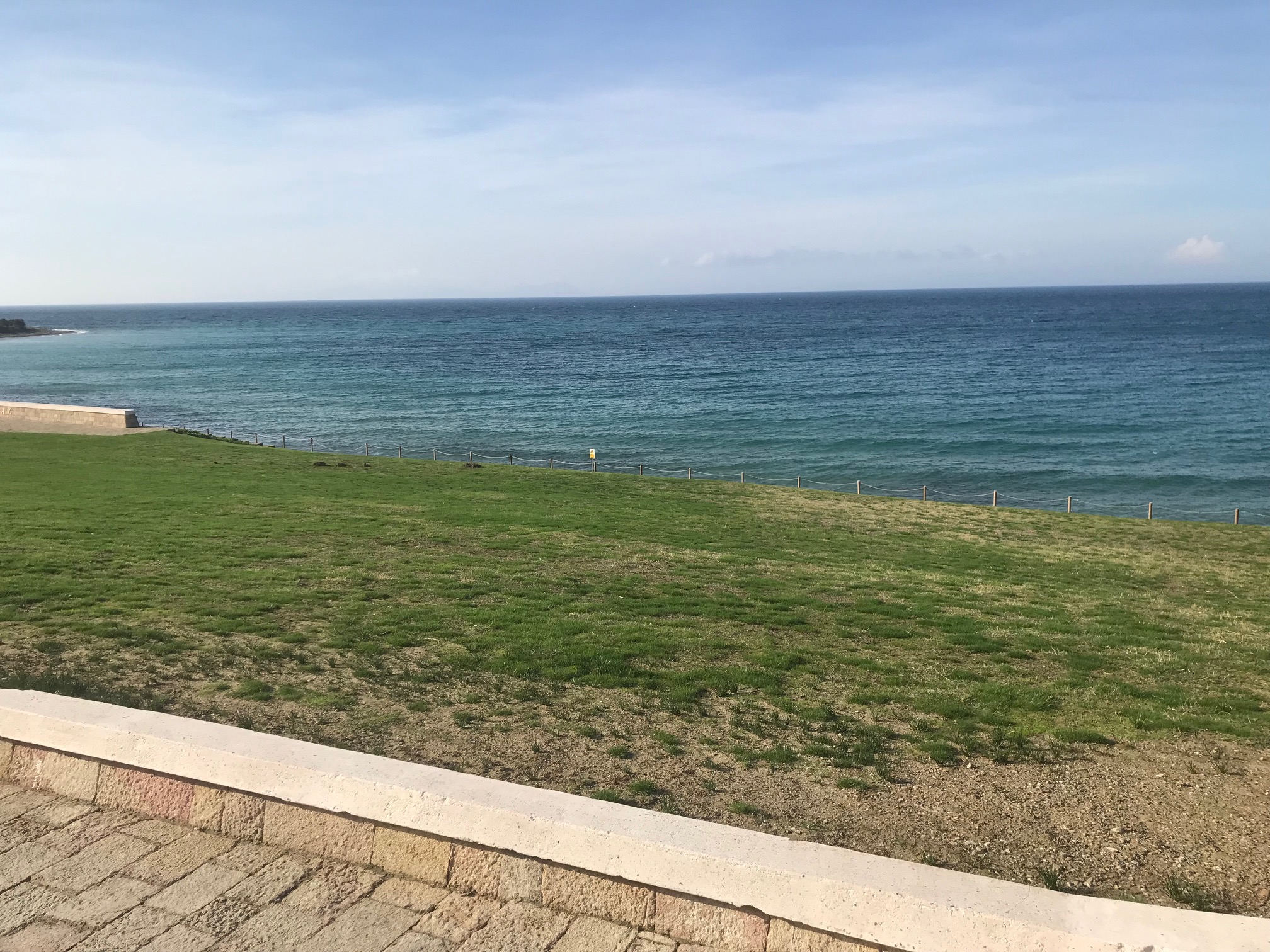
Walking Distance: 26,75 km.
Date of Walking: 17 December 2022
Walking Route: Büyük Anafarta-Anzac Cove-Kaba Tepe-Alçı Tepe (Kirte)
Even though we’d woken with the first light of dawn, I found myself still wrestling with the sleep fairies, trying to steal a few more precious minutes under the covers. But by 7:15, I was already up — dressed in my walking gear, packing away the last of my belongings scattered around the room. I unplugged my electronics, now fully charged from the night, and stepped out of the hut.
As I walked outside, I couldn’t help but laugh at the sight of Tamer emerging from the bathroom block — shirtless, steaming in the cool morning air like a warrior of the bathhouse. He’d clearly beaten me to the morning routine.
In front of the kitchen and the dinner building, the two enormous Kangals lay sprawled out, fast asleep. Clearly, they’d kept watch through the night. As I approached the car to drop off my gear, they lazily lifted their heads to glance at me, their eyes half-closed with indifference. I was no threat, just part of the morning calm. Inside the dining room, a traditional village breakfast was waiting for us — simple, elegant, and deeply satisfying. Merve greeted us with her signature warm smile and, without a word, gestured toward the table. It was a quiet, gracious invitation.
The spread was a feast of colour and aroma: farm-fresh herbs, olive oil poured into delicate porcelain bowls, glistening with a golden hue that seemed to awaken the appetite by sight alone. There were thick village butters, sun-ripened tomatoes, olives, homemade jams bursting with real fruit — all calling to us: come, begin your day with joy. There were six of us at breakfast, including Mr Turgay and his wife, Sezgi. The other couple didn’t join. Around the wooden table, the morning chatter flowed naturally — cheerful, reflective, the kind that fills a room with warmth rather than noise.

Everything was perfect. So perfect, in fact, I could’ve easily spent another day here, basking in the peace of Lacivert Village Farm. But the road was calling, and Day Four promised to be a tougher stretch. It was time to move on — body rested, heart full.
Today’s route would take me along the very shores where some of the fiercest battles of the Gallipoli campaign were fought. These were the landing grounds of the ANZACs — the very coastline where the soldiers of the 57th Regiment fell one by one, defending their homeland with unwavering resolve. These were the blood-soaked ridges where Turkish and foreign soldiers clashed in brutal hand-to-hand combat, and yet — amidst the fury and chaos — carried each other’s wounded on their backs, shared water during moments of ceasefire, and showed a level of humanity that defied the hatred and fear of war.
I knew I would feel the silence of pain, of brotherhood, of enmity, of courage and of death in every step I took across this soil. Every square centimetre was marked with the legacy of those who fought and fell. Today’s walk would be a march of respect — for all who had lost their lives on these lands, regardless of the flag they fought under.
After breakfast, we took a short stroll around the farm one last time. I was genuinely captivated by the meditation hall. Its peaceful interior, the serenity it radiated, and the stillness I felt within its walls left me wordless. The rosemary fields, the spinach patches, and the lush garden beds were all calling out to be explored longer. Lacivert Village Farm was more than a stopover — it was a sanctuary.
Before leaving, I handed Mr Turgay the leather farmer’s hat I had brought with me all the way from Australia — a small token of our visit and of our newfound friendship. I like to think it’s still hanging somewhere on the farm, catching the sunlight and remembering our brief meeting.
I gave Alen a firm, heartfelt hug as we prepared to leave. Without him, we would never have met such wonderful people or shared such rich conversations. Thank you, my dear friend — thank you for bringing us here.
Into the Silence of Pine-Covered Ridges
By the time we departed Lacivert Village, the day had already edged toward midday. I knew I had to walk at a brisker pace than I had over the past three days — my goal was to reach the village of Alçıtepe, once known as Kirte, before dusk descended. Our vehicle turned toward the day’s starting point: the quiet village of Büyük Anafarta.
It was nearly 11:30 when I set off from Büyük Anafarta. With the summer daylight in mind, I calculated that I had about five to six good hours of walking ahead — just enough, I hoped, to cover the estimated 20 to 22 kilometres before the sun dipped below the horizon.
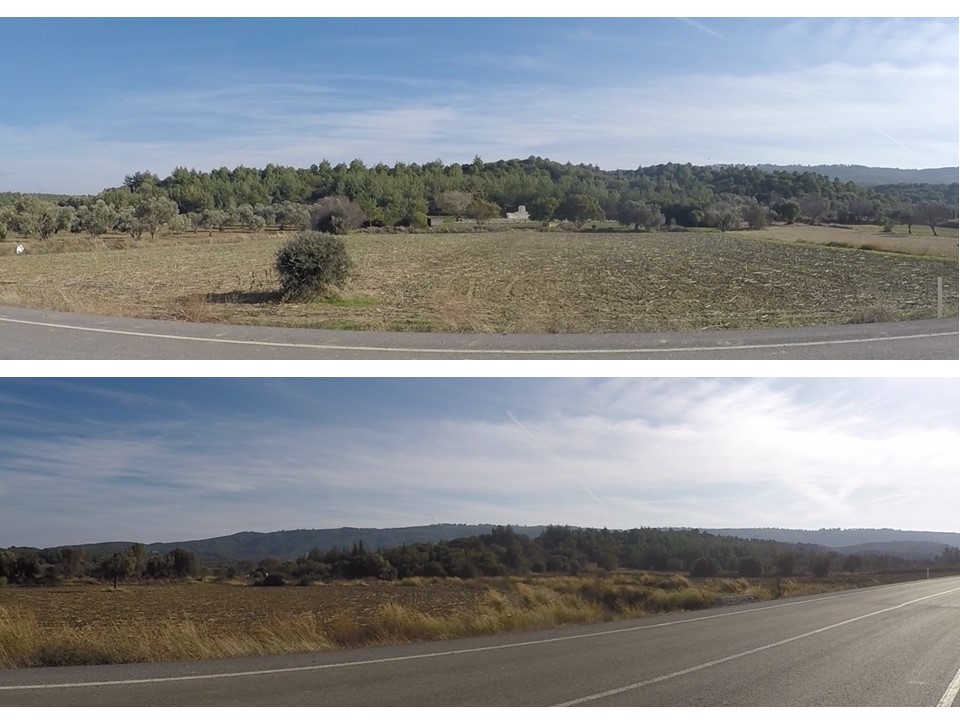
My first stop was the sacred region of Arıburnu and Anzac Cove. Suvla Bay lay to my north, but my gaze was constantly drawn southwards — toward the land that rises into the heights of Conkbayırı. Pine forests dominated the hills, forming a dense green curtain that shielded the ground beneath from view. It felt like nature itself had wrapped the land in a protective cloak. Everything lay under a profound silence. Even the gentle hum of the support vehicle, trailing me hundreds of metres behind, echoed sharply in that stillness.
Where Young Soldiers Met the Brutality of War
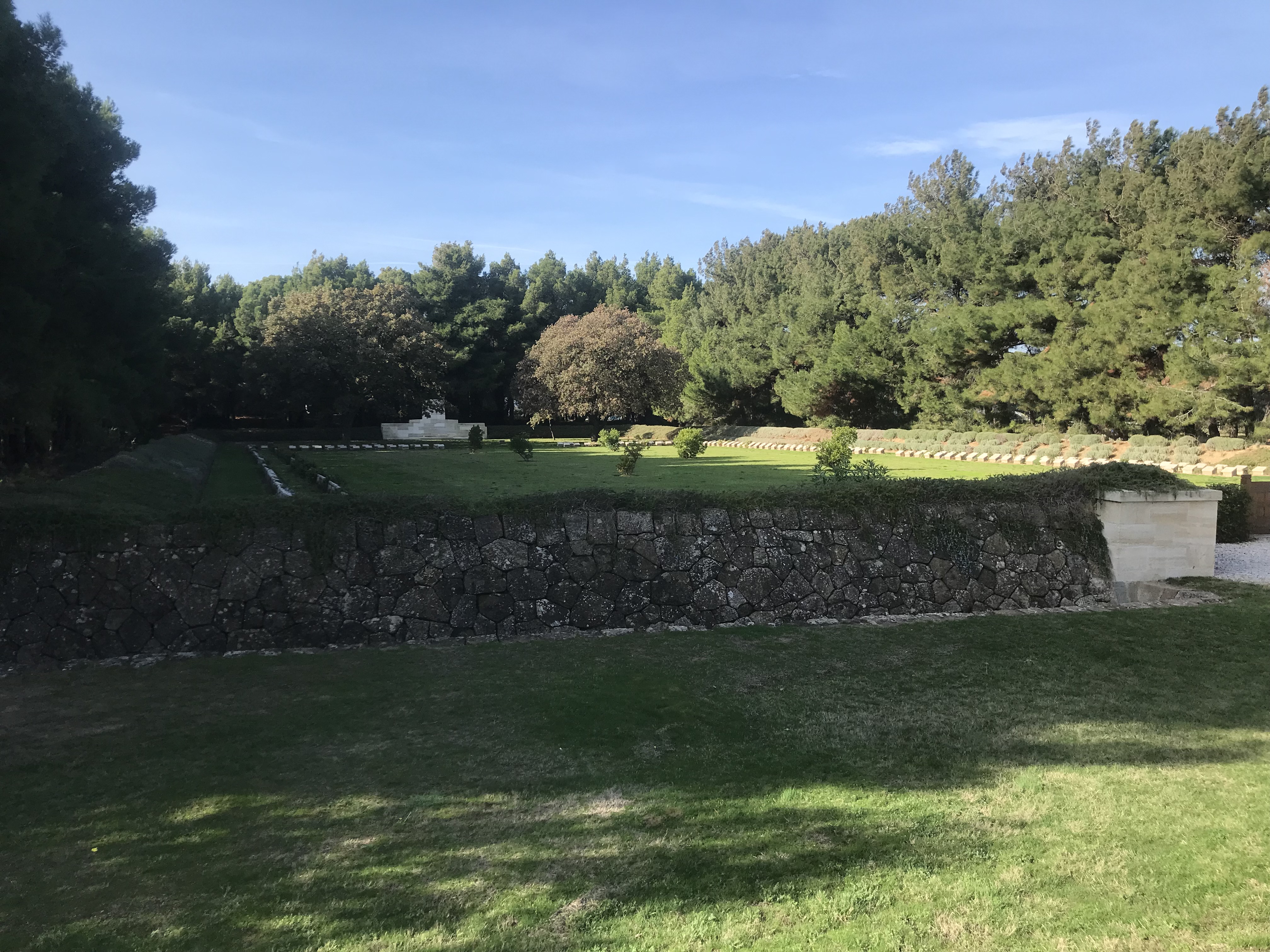
These were the lands where inexperienced, often idealistic young men were forced to face the brutal truths of war — clashing with Turks fiercely defending their homeland. As I moved silently toward the Arıburnu region, the first site that emerged from the landscape was the Australian 7th Field Ambulance Cemetery.
Almost without thinking, my feet led me along a dusty track toward it — a narrow path that veered inland, a few hundred metres from the main road, nestled at the foot of the high ridges.
As a former soldier, I’ve always believed that paying my respects to those who lost their lives — even if they had come from distant lands to fight on my soil — was, above all, an expression of self-respect. Nationality didn’t matter here. In the hush of that place, what remained was the shared weight of sacrifice.
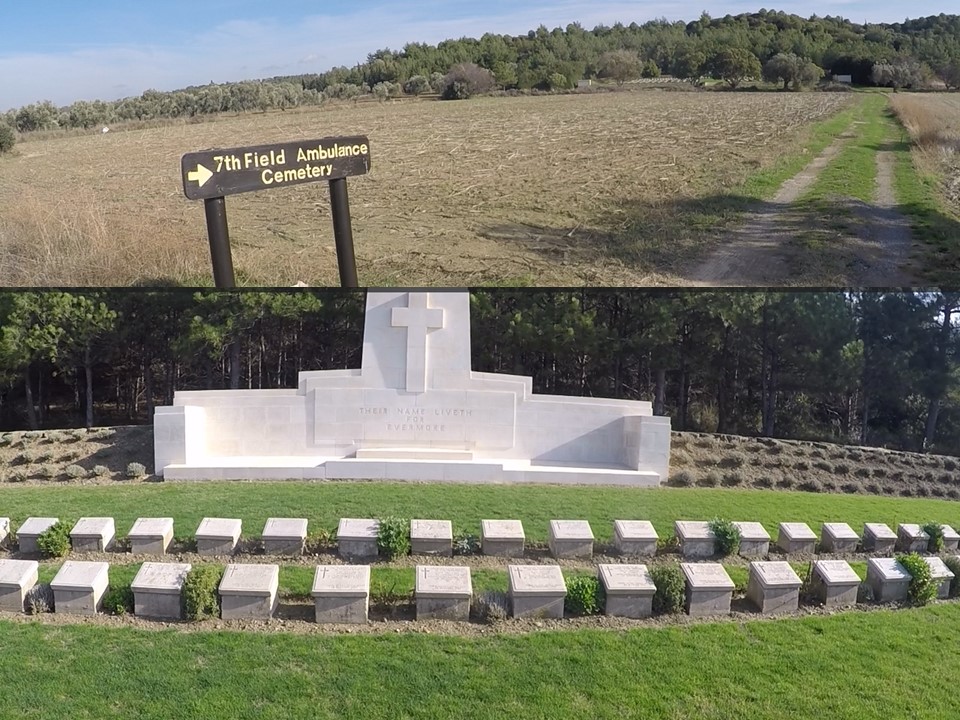
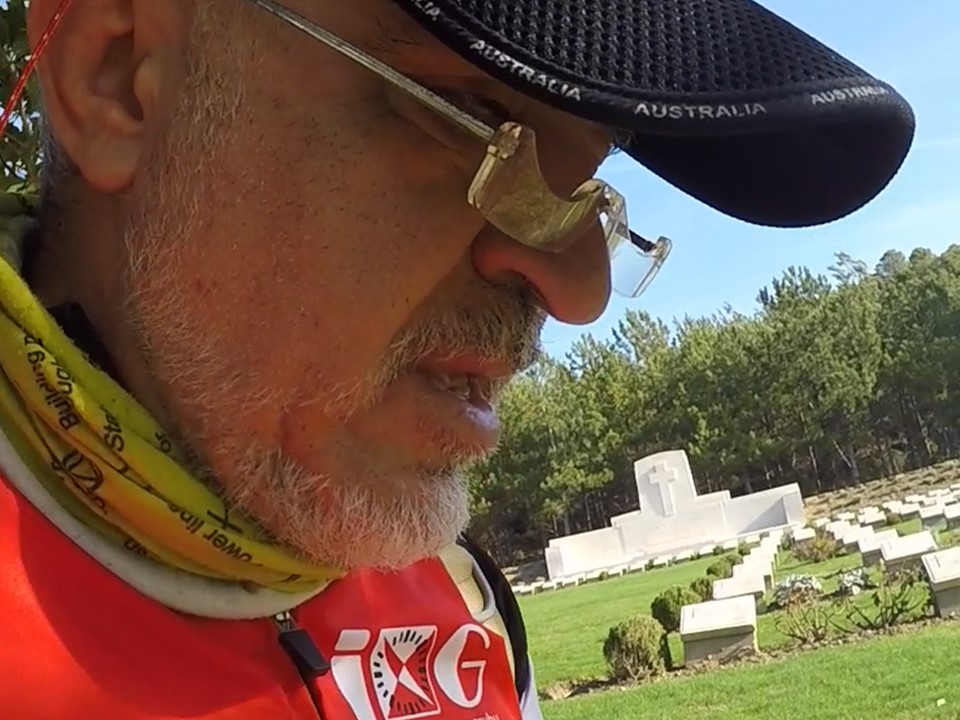
As I approached the cemetery, the stillness was gently broken by birdsong — the only sound interrupting the solemn hush of the hills. I walked quietly to the main sarcophagus at the heart of the cemetery.
Standing there, I read the names etched into the gravestones — names of young men, most barely more than boys. A deep sadness settled in my eyes as the stark meaninglessness of war echoed in that place.
I couldn’t help but wonder: in the grand, brutal sweep of the First World War, what real difference had the deaths of these young soldiers made? What purpose had their sacrifice truly served? These thoughts lingered like ghosts between the rows of stone.
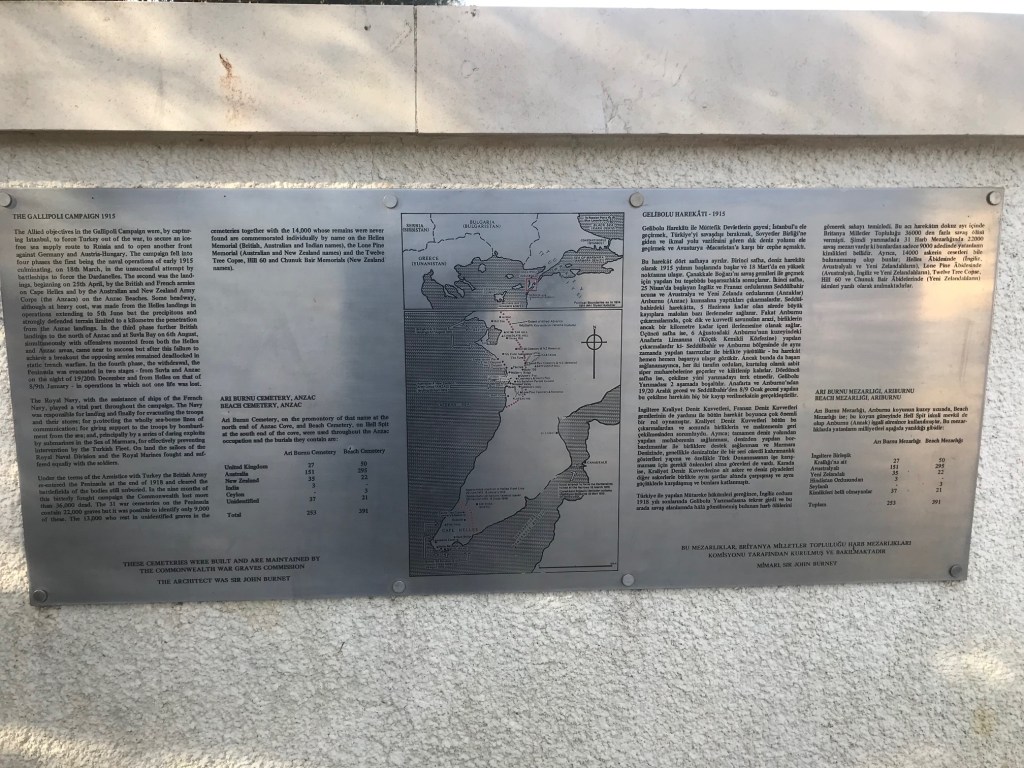
I knew I would encounter many more cemeteries like the one I had just left — silent resting places scattered across this land, each bearing witness to a different sorrow. Just a few hundred metres down the road, I came upon another ANZAC cemetery, this time nestled right beside the sea. The site lay just behind Anzac Cove, and it didn’t take long before I found myself standing at the very edge of that fateful shore.
From where I stood, I could clearly see Arıburnu to the south, and beyond it, the ridgeline of Conkbayırı — the place where some of the most brutal and desperate battles of the campaign were fought.
Facing southward, the geography made everything painfully clear. The terrain rose steeply and unforgivingly. It was easy to imagine — and deeply feel — the immense resistance the ANZAC troops faced from the Turkish soldiers defending their homeland with unyielding determination.
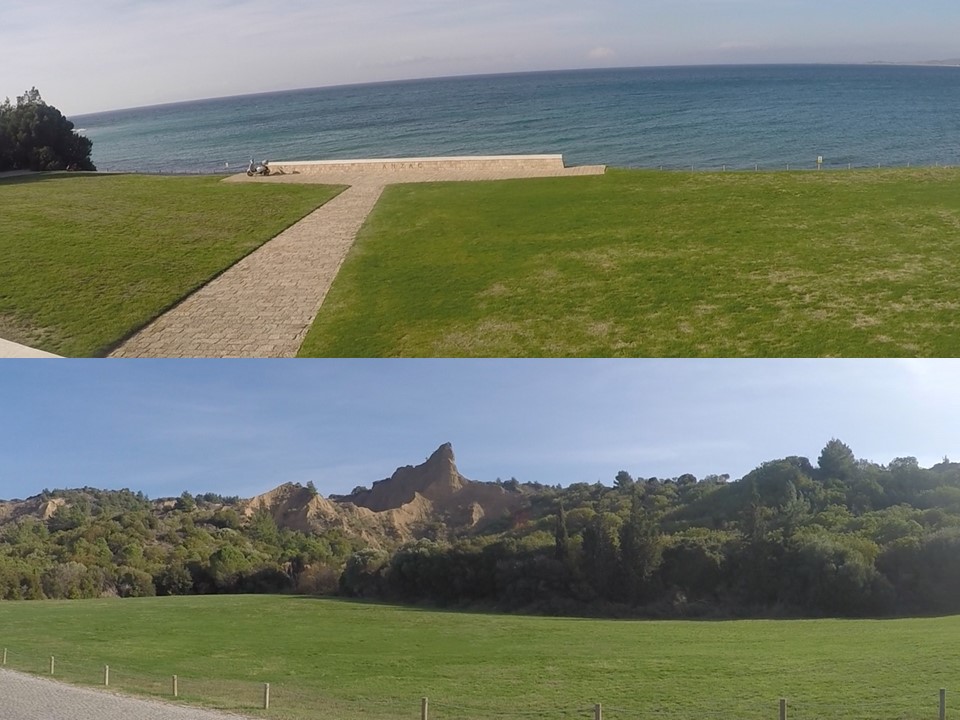
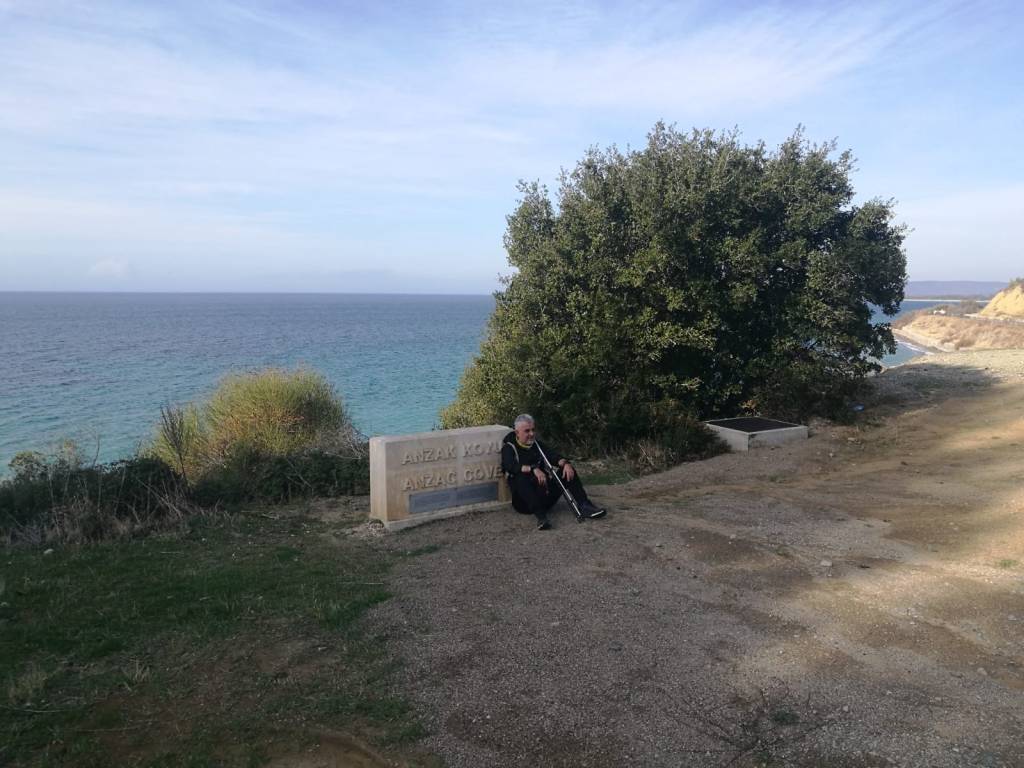
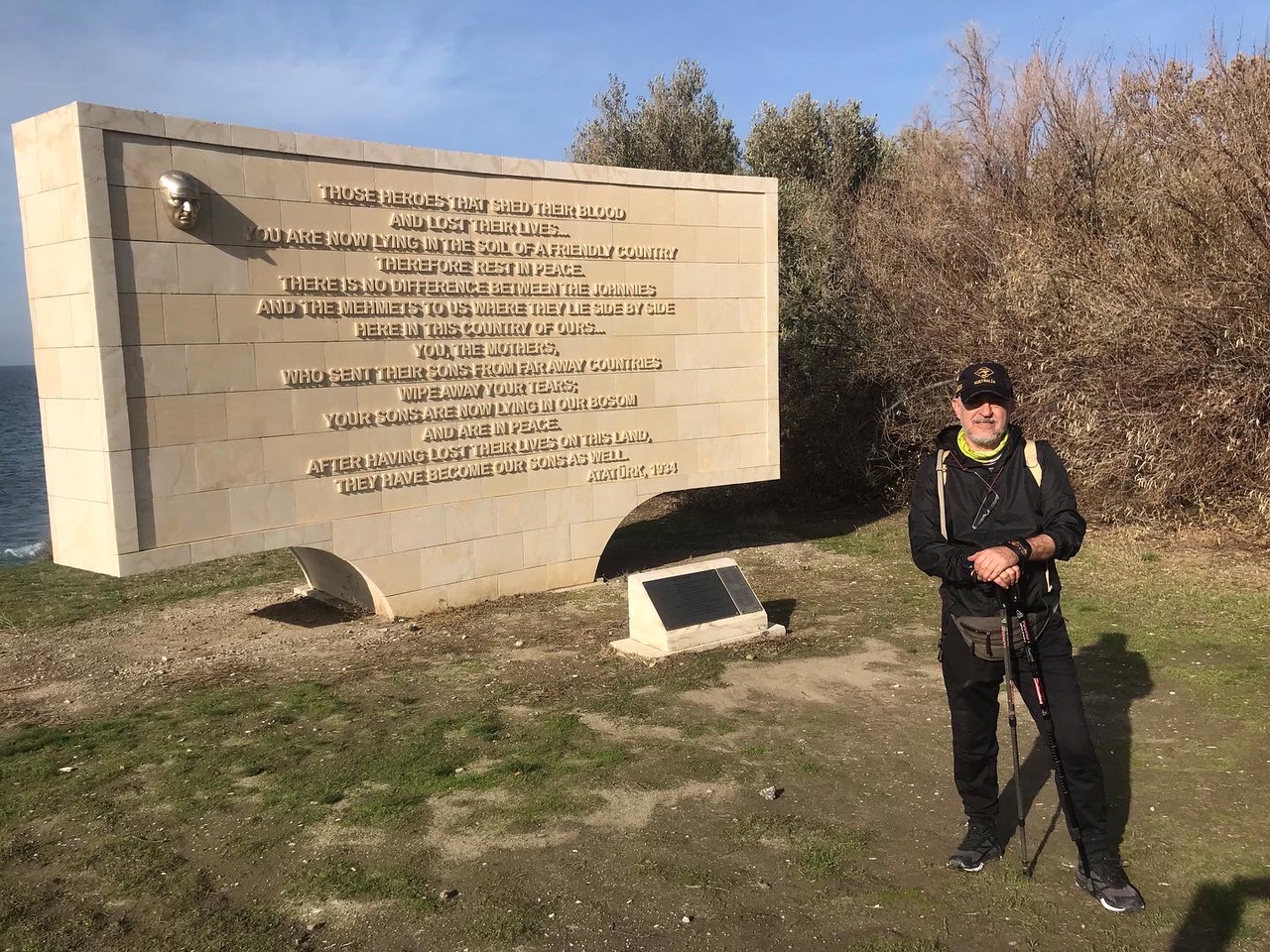
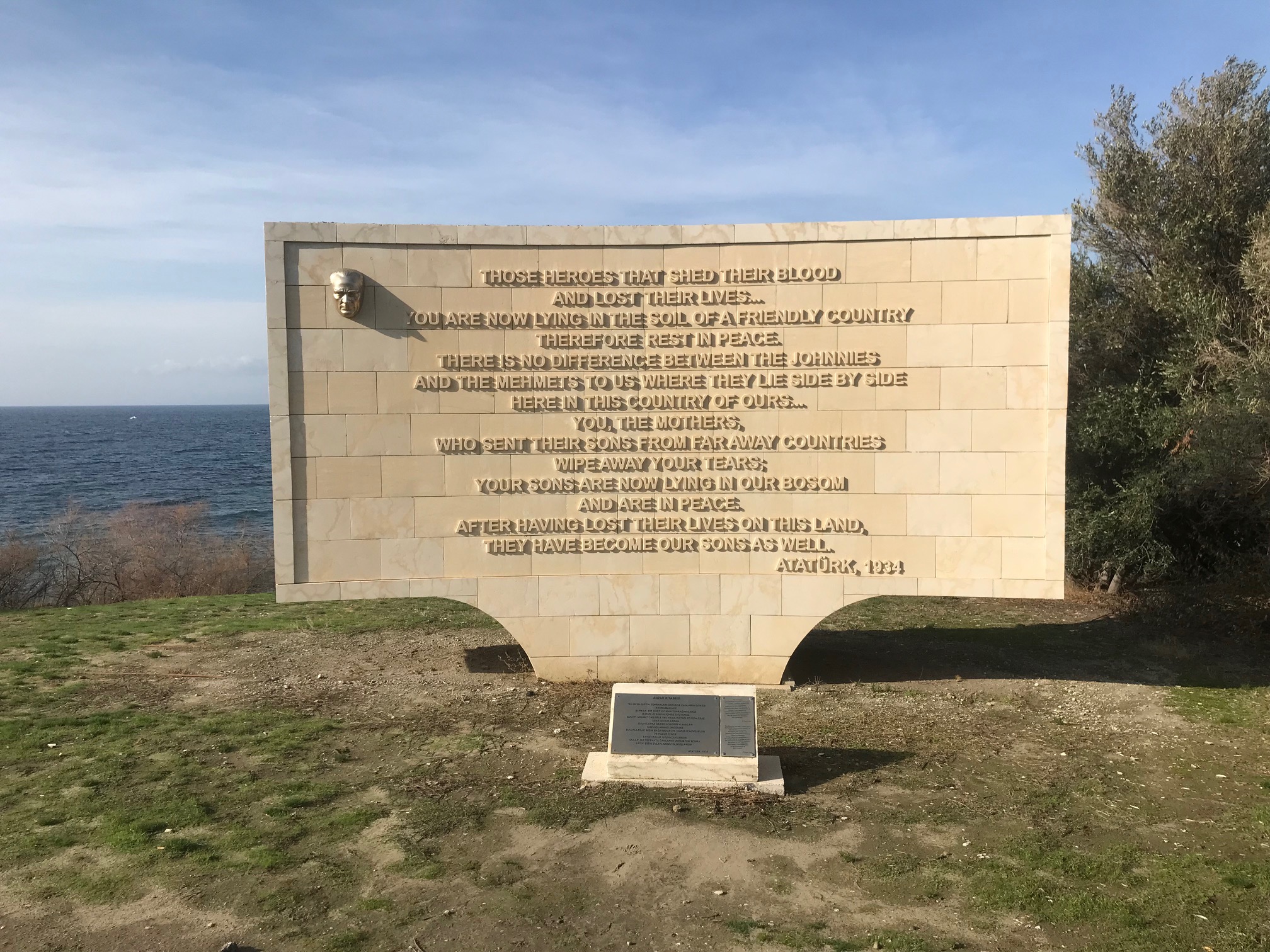
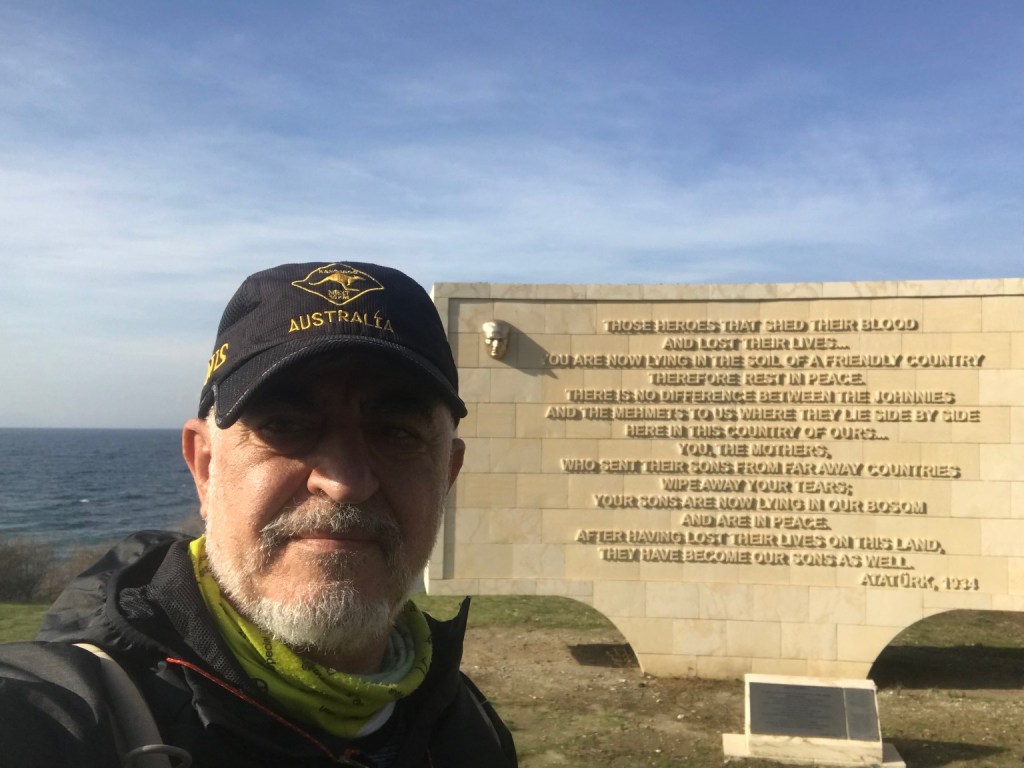
After spending some time gazing across the Arıburnu cliffs and the distant ridgelines of Conkbayırı and Kanlısırt, I resumed my walk. Not long after leaving Anzac Cove, I came upon a solemn stone sarcophagus facing the sea — inscribed with the words of the great leader, Mustafa Kemal Atatürk, dedicated to the Australian soldiers who fell here.
I paused for a long time and read those words — filled with grace, humility, and profound human empathy — again and again. They resonated deeply, not just with their compassion, but with the unspoken weight of history.
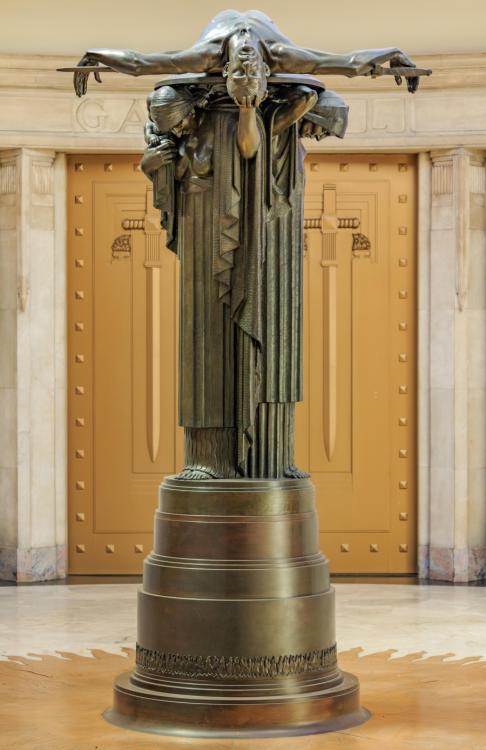
As I read, my memory wandered back to 2014, to the Hall of Silence at the ANZAC Memorial in Sydney, which I visited while spending time with my son. There stood the sculpture Sacrifice, designed by George Rayner Hoff — a bronze flame symbolising the eternal fire of remembrance.
That sculpture told a story older than Gallipoli — that of a fallen Spartan warrior, brought home on his shield by the women of his family: his mother, his sister, and his wife cradling their infant child. It captured the universal grief of war — the unbearable weight borne by families who never saw their sons return.
Sacrifice used that ancient metaphor to express the enduring sorrow of those who lost loved ones in the Great War of 1914–18. Standing now before Atatürk’s words, under the same sky where those young men fell, I felt the thread that connects all human sorrow across time — and the quiet hope that memory can be a bridge to peace.
The sculpture Sacrifice speaks with immense dramatic force. It depicts the fallen form of an Anzac soldier, his soul having passed to the Great Beyond. His body is carried aloft upon a shield by those who loved him most — his mother, his sister, his wife, and a child, symbolising the spirit that had once animated him: the spirit of Courage, Endurance, and Sacrifice.
There is no pomp here. No illusion of glory. No romanticised heroism. Instead, the sculpture offers us something far more honest — raw tragedy, grim reality, and bitter truth.
And yet, within that truth lies something profound. It tells not only of the brutality of war and the depth of suffering it leaves in its wake, but also of the highest of all human virtues: the willingness to give one’s life out of duty, love, and loyalty. Self-sacrifice — stripped of glamour, but elevated in meaning.
And yet, despite all the bloodshed, the sorrow, and the scars of war, today the honourable soldiers who journeyed from distant shores and lost their lives here now rest eternally in our soil — beside our own ancestors, heroes, and grandfathers.
This powerful reality was expressed with timeless grace by our Great Leader, Mustafa Kemal Atatürk. In words that transcended the bitterness of war, he addressed the grieving families in Australia with the following message:
“THOSE HEROES THAT SHED THEIR BLOOD AND LOST THEIR LIVES
YOU ARE NOW LYING IN THE SOIL OF A FRIENDLY COUNTRY THEREFORE REST IN PEACE
THERE IS NO DIFFERENCE BETWEEN THE JOHNNIES AND THE MEHMETS TO US
WHERE THEY LIE SIDE BY SIDE HERE IN THIS COUNTRY OF OURS…
YOU, THE MOTHERS, WHO SENT THEIR SONS FROM FAR AWAY COUNTRIES,
WIPE AWAY YOUR TEARS; YOUR SONS ARE NOW LYING IN OUR BOSOM AND ARE IN PEACE
AFTER HAVING LOST THEIR LIVES ON THIS LAND THEY HAVE BECOME OUR SONS AS WELL”
Mustafa Kemal ATATÜRK 1934
Echoes from the Ridge: A Path I Couldn’t Take
As the road began to stretch southward, part of my mind — and heart — turned west, toward the heights of Kocaçimen Hill. The names whispered by this land — Kanlısırt, Conkbayırı, Bombasırtı — each stirred vivid images in my mind, as if reels of a black-and-white film were flickering before my eyes. Stories of immense heroism, of lives lost and fates rewritten, played silently across the slopes I couldn’t reach.
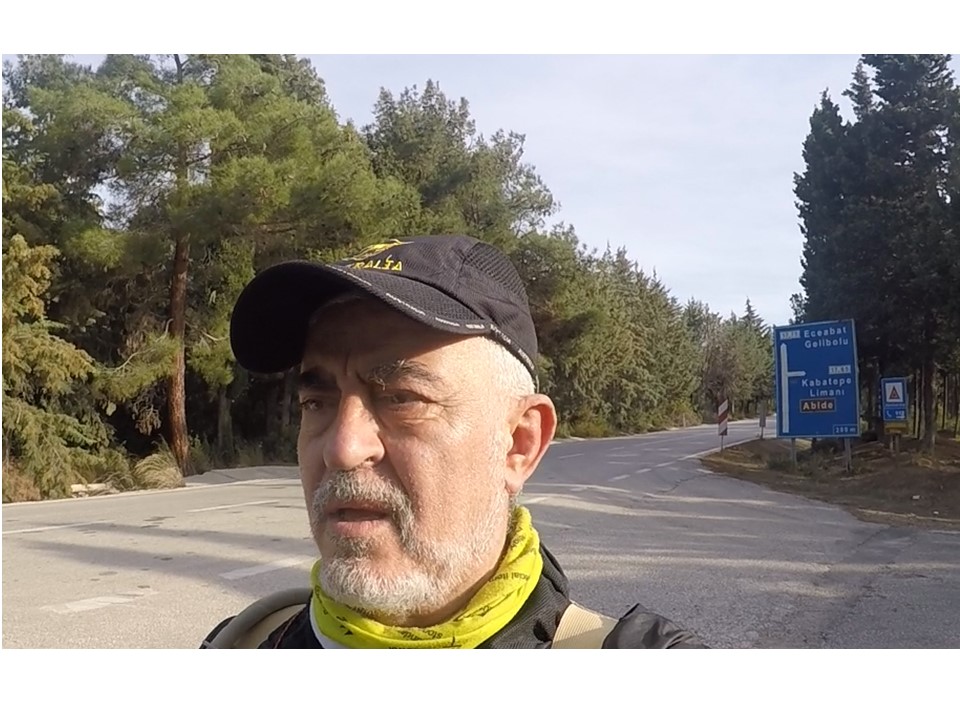
When I arrived at Kabatepe, I was forced to abandon my plan to visit Conkbayırı and Kocaçimen. Time was no longer on my side. I had just two and a half hours of daylight left to reach my destination — the village of Kirte, now known as Alçıtepe. Fourteen kilometres still stretched ahead of me, and any delay could mean walking through unfamiliar terrain in darkness.
At a crossroads, where the road branches off toward the Martyrs’ Cemetery of the Heroic 57th Regiment — whose courage forever altered the course of the war — I stopped briefly. I stood in silence, gazing at the winding road that disappeared into pine-clad hills, leading upward to Kocaçimen.
Though I couldn’t follow that path today, I carried its weight with me — not in distance, but in remembrance.
A Salute Among Pines
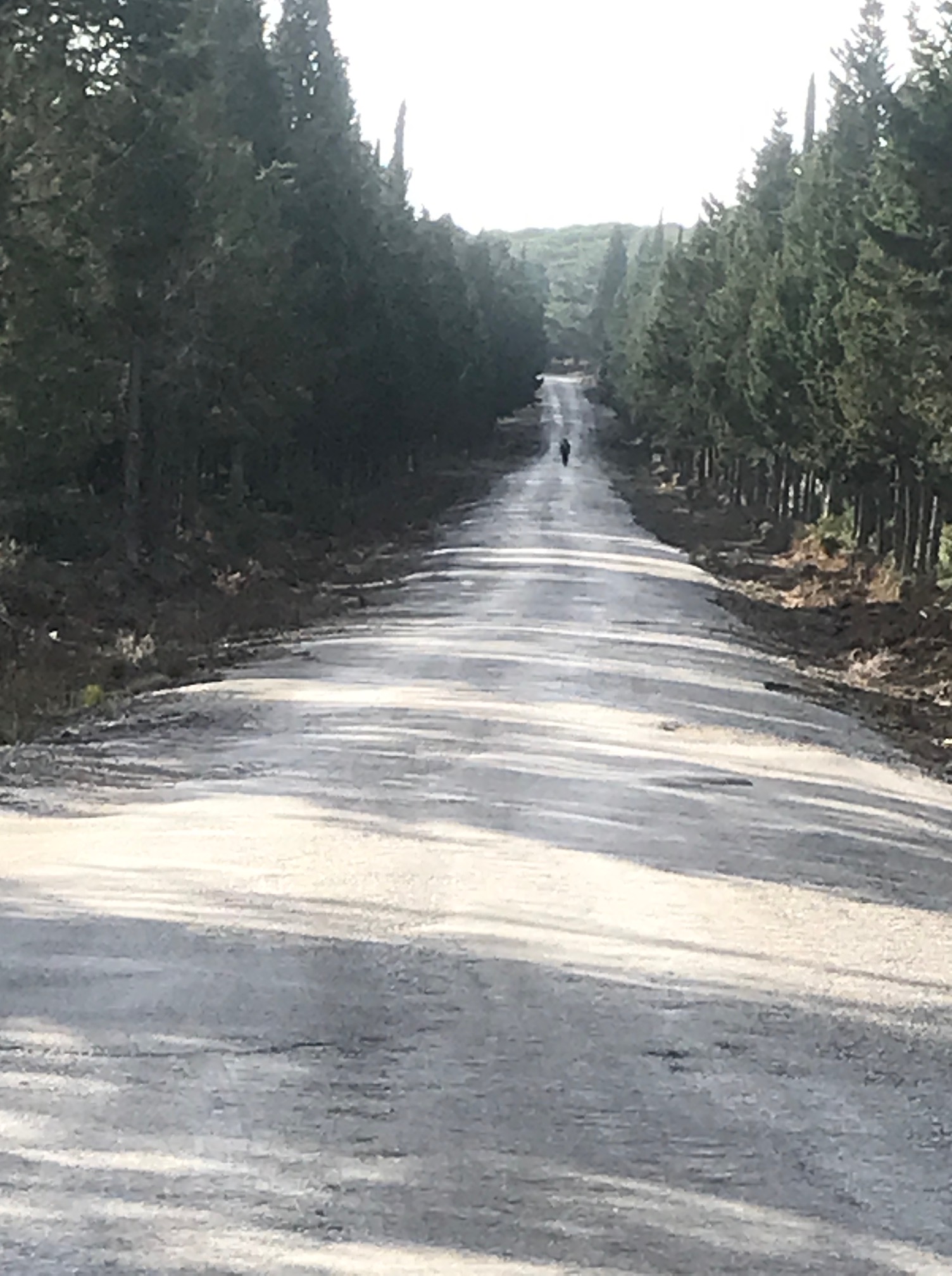
After a brief chat with Tamer about the surrounding sites, I began walking along the Çamlık road leading toward Kabatepe Harbour. I was alone on this stretch — just the quiet rhythm of my footsteps, the occasional rustle of wind in the trees, and the distant hum of our support vehicle. The only other sign of life was a Gendarmerie patrol slowly making its rounds.
As the patrol car approached, a young sergeant in the passenger seat — no older than twenty-five — rolled down the window, smiled warmly and greeted me with a “Good day.” Then he asked where I was headed. I told him I was walking to Alçıtepe, and shared a little about myself.
When he learned I was a retired colonel, his expression changed. With respect, he stepped out of the vehicle, walked over, and shook my hand. He then invited us to the Gendarmerie post near Kabatepe for a cup of tea and a bite to eat.
As much as I appreciated the gesture, I had to politely decline. I explained that I was racing against time to reach Alçıtepe before nightfall. Understanding the situation, he handed me his phone number and said we should call him directly if we encountered any difficulties along the way.
After thanking him for his kindness and support, I resumed my walk — the road winding ahead through a corridor of pines, quiet and steadfast beneath the afternoon sun.

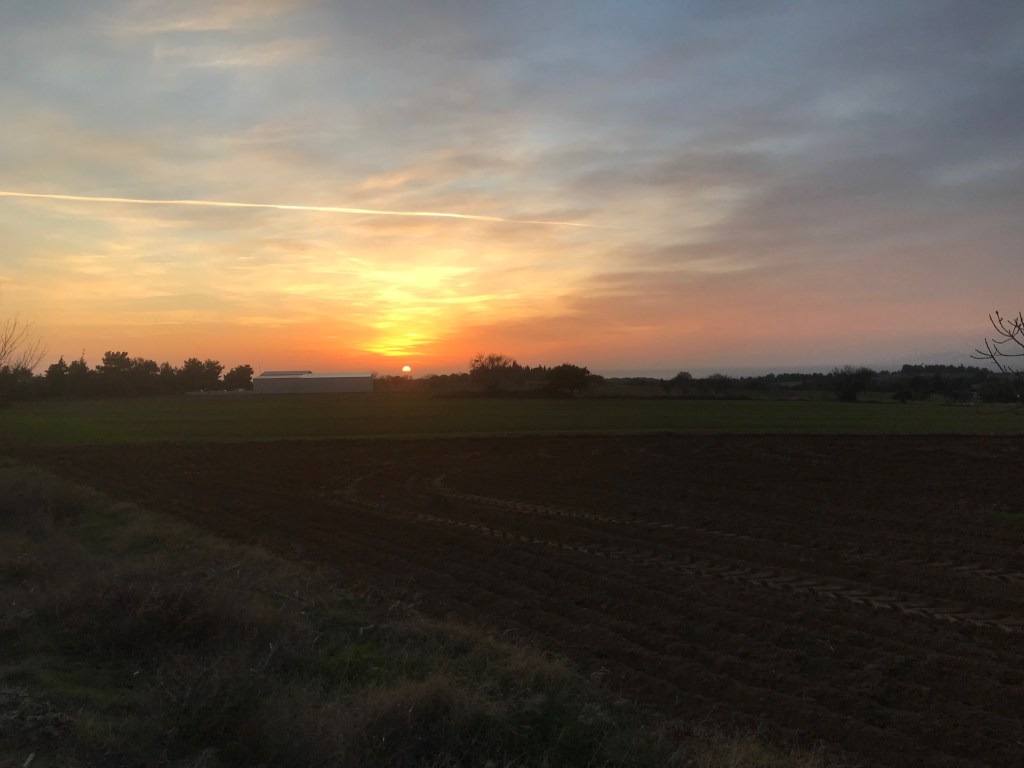
As I reached the Alçıtepe junction, the sun was slipping toward the Aegean Sea, casting a soft crimson glow across the horizon. That fading light seemed to mirror everything I had carried with me throughout the day — the sorrow etched into the hillsides, and the quiet pride of remembering.
At the junction, the Gendarmerie vehicle reappeared. The same sergeant rolled down the window, asked if I needed anything, then offered a polite farewell before driving off into the descending dusk.
From there, it was a fifteen-minute walk to the entrance of Alçıtepe village. By the time I arrived, the sun had fully set, and the colours of the land had dissolved into a muted grey stillness. The road behind me was wrapped in silence now — a day of memory and reflection coming gently to its close.
I was overjoyed to arrive in Alçıtepe (Kirte) Village right on time where the Turkish reinforcements arrived a century ago to push back the British advance. That evening, I would rest for a few precious hours, knowing that the next day I would set foot on sacred ground—lands fiercely defended by my ancestors in the brutal battles of Seddülbahir and Kirte, where they stood their ground against the might of British and French forces with unwavering courage.
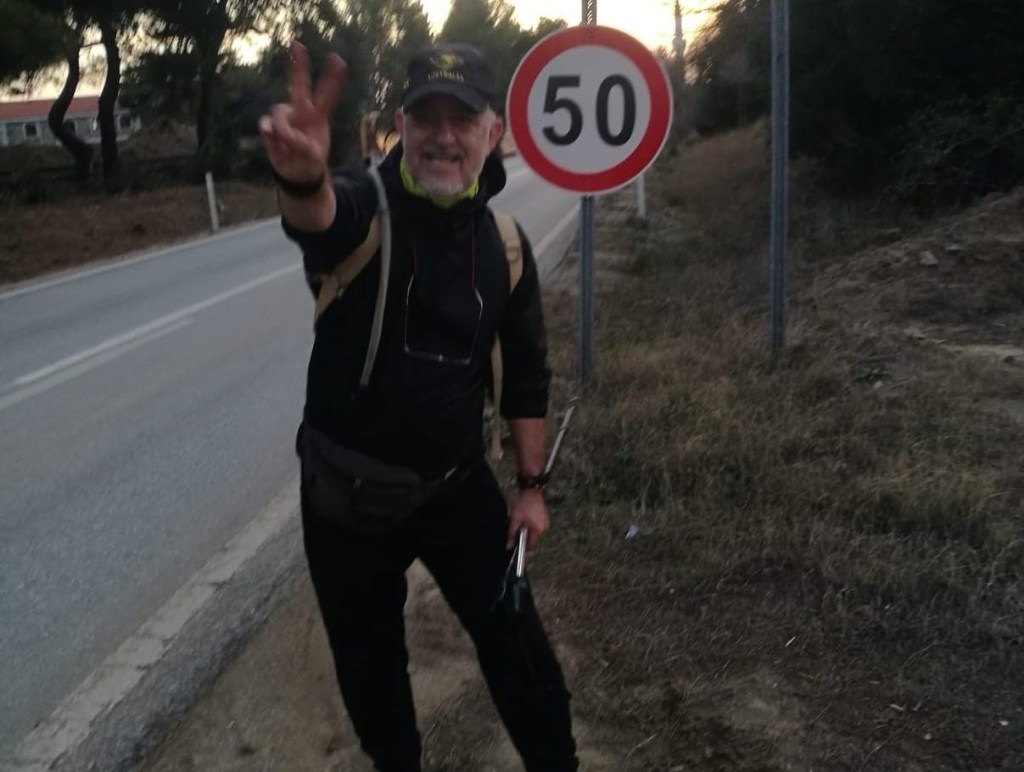
Today, I continued my profoundly emotional journey across these sacred lands — lands nourished by the blood of both the heroes who came from distant shores and lost their lives while carrying out the orders they were given, and my ancestors, the heroes from every corner of the country ever who bravely defended our homeland.
Once again, I deeply felt that the soldiers from Australia and New Zealand — as our great leader Mustafa Kemal Atatürk so powerfully expressed — are now entrusted to us, resting peacefully in the embrace of these lands.
Yet today, I witnessed a truth even more profound:
As I walked these grounds, it was impossible not to hear their voices, impossible not to feel the spirit that lingers here. That rare spirit of gentlemanly honour, preserved even amid the brutal chaos of war, whispered to me on the breeze — a quiet testimony to the bond between two nations, once foes, now friends: the Turks and the Australians.
Today, I believe this spirit has truly taken root within me.
And I wholeheartedly believe I will carry it back to where it came from — to Australia.
If I can bring the Australia Continental Walk project to life, this spirit will accompany me every step of the way. I will do all I can to strengthen this meaningful bond between our two countries.
Now, as the sun sets, I prepare to set out tomorrow towards another front — one shaped by a very different understanding:
The Kirte Front. Unlike the eastern front, this one was waged by British and French forces with both ruthless force and staggering misjudgement—underestimating the spirit and strength of the heroes who stood in their way.
 Walkerspirit